Measles Outbreaks in the US: What to Know
Measles Outbreaks in the US: What to Know
Measles remains one of the world’s most contagious infectious diseases. A person without immunity can become infected after spending time in the same indoor space as someone with measles, even after the infected person has left.
The United States previously maintained measles-elimination status for decades. Reports from NPR, WBUR, and Forbes say global health authorities determined that the country had lost that status after sustained transmission. Because the supplied reports do not include the official determination, case totals, or complete criteria, verify the latest information with the Centers for Disease Control and Prevention (CDC), state health departments, and the relevant global health authority before publication or relying on a specific date. Source 1 Source 3
Elimination is more than a label. It reflects whether public-health systems can detect imported cases, trace contacts, vaccinate vulnerable people, and stop continuous local transmission.
What Does Measles Elimination Mean?
Elimination Is Not Eradication
Elimination means that continuous transmission of a disease has been interrupted within a defined geographic area. It does not mean that the disease has disappeared worldwide.
An infected traveler can bring measles into the United States, causing an imported case. A short outbreak may follow without immediately ending elimination status if health authorities stop transmission quickly.
Eradication is a worldwide goal. It means permanently interrupting transmission and reducing cases to zero globally. Smallpox is the best-known example of an eradicated human disease. Measles has not been eradicated.
The United States can therefore report imported measles cases while maintaining elimination status. Concern increases when transmission continues through linked cases or cannot be attributed only to recent importations.
How Sustained Transmission Affects Status
Health authorities distinguish among:
- An isolated imported case
- A small outbreak linked to one imported case
- Multiple connected cases
- Ongoing transmission that cannot be traced only to recent importations
The last situation suggests that the virus is spreading locally among people who lack immunity. It may also reveal gaps in vaccination coverage, delayed diagnosis, limited access to care, or challenges with contact tracing.
Reports from NPR and WBUR state that the United States lost measles-elimination status after sustained transmission. Forbes similarly reported that the country lost the status after 26 years. Verify these reports against the latest official announcement because status determinations, case definitions, and publication dates can change. Source 7 Source 9
Why Elimination Status Matters
Elimination status indicates the strength of:
- Routine immunization coverage
- Disease surveillance
- Outbreak investigation
- Laboratory testing
- Contact tracing
- Exposure notification
- Access to vaccination and medical care
Losing the status would not make measles more contagious. It would indicate that transmission continued longer than public-health systems were able to interrupt. It could affect travel guidance, outbreak preparedness, public confidence, and efforts to improve routine immunization.
Why Measles Outbreaks Occur in the United States
Immunization Gaps
Measles spreads most efficiently when many susceptible people live, learn, work, or gather together. High vaccination coverage provides community protection by reducing the chance that an infected person will encounter someone who can become infected.
Vaccination gaps can result from:
- Missed childhood appointments
- Delayed routine vaccination
- Unequal access to health-care services
- Public-health program disruptions
- Vaccine misinformation
- Persistently low coverage in some communities
- Missing or incomplete immunization records
Outbreaks rarely have one universal cause. Local investigations determine how cases are connected.
Imported Cases
Measles continues to circulate internationally. An infected traveler can bring the virus into the United States after exposure abroad or during transit.
One imported case may expose household members, children in schools or child-care centers, health-care workers and patients, travelers, or people attending large indoor gatherings. Importation is not the same as local transmission. The concern grows when the virus spreads to people who were not infected during the original travel-related exposure.
Why Measles Spreads Efficiently
Measles spreads through the air and respiratory particles released when an infected person coughs, sneezes, or breathes. The virus can remain infectious in an indoor space for a period after the person leaves, according to public-health guidance.
People can spread measles before recognizing that they are ill. Early symptoms resemble common respiratory infections, so an infected person may attend school, work, medical appointments, or public events before developing a rash.
Measles Symptoms and Timeline
Early Symptoms
Measles commonly begins with:
- Fever
- Cough
- Runny nose
- Red or watery eyes
- Fatigue
- General discomfort
These symptoms can resemble influenza, COVID-19, a cold, or another respiratory infection. Exposure history and vaccination status help health professionals assess risk.
The Measles Rash
The rash usually appears several days after the initial symptoms. It often begins on the face or hairline and spreads downward across the body. It may become widespread and merge into larger red areas.
Some patients develop small white spots inside the mouth, known as Koplik spots. They can be a useful clinical sign, but not everyone has them, and a rash alone does not confirm measles.
Anyone with a possible exposure and fever or rash should contact a health-care provider before arriving at a clinic.
When to Seek Medical Advice
Contact a health-care provider or local health department after symptoms develop following:
- Known contact with a measles case
- International travel
- Attendance at a reported exposure location
- Contact with someone who recently traveled
- An outbreak notification from a school, workplace, or public-health agency
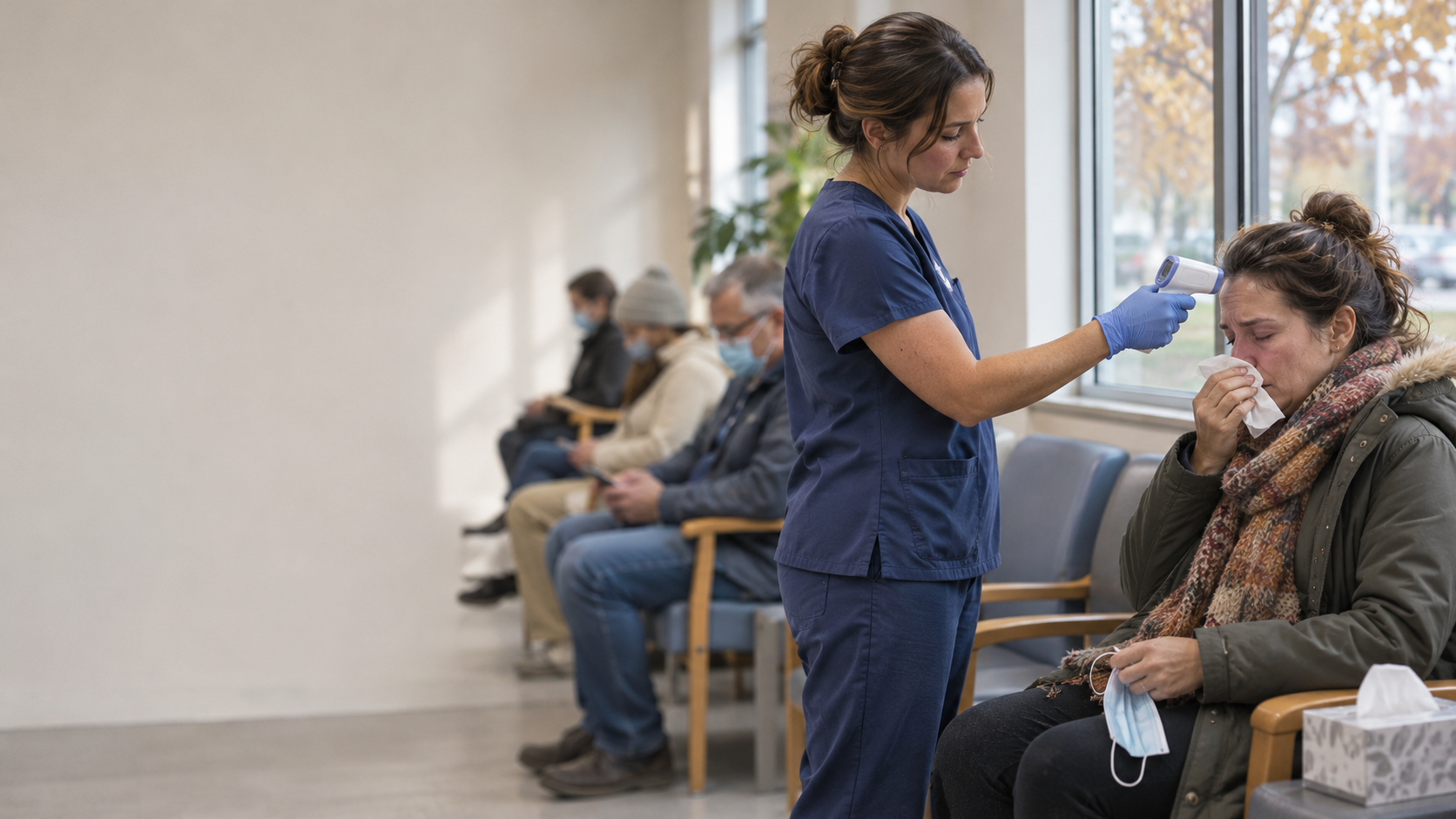
Call ahead before visiting a clinic, urgent-care center, or emergency department. Advance notice allows staff to separate the patient from others and reduce exposure in waiting rooms.
How Serious Is Measles?
Possible complications include ear infections, pneumonia, severe dehydration, hospitalization, and encephalitis, or swelling of the brain. Some complications can be life-threatening.
Risk is higher among infants, young children, pregnant people, adults, and people with weakened immune systems. Babies who are too young for routine vaccination and people with certain chronic illnesses may also face greater risk.
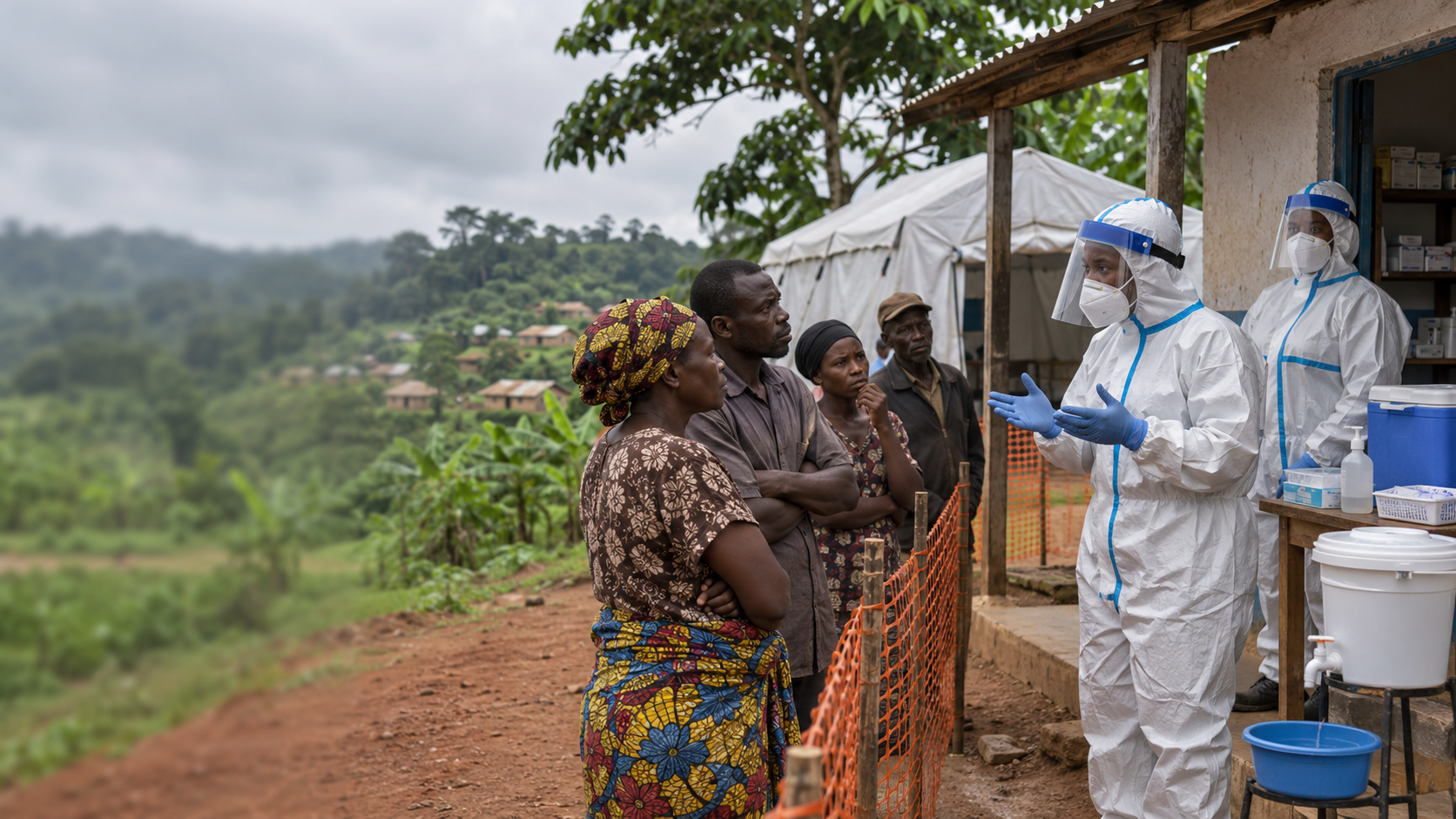
Every confirmed case may require testing, contact tracing, exposure notifications, isolation guidance, and monitoring of people who may become ill. Rapid reporting gives health officials more time to prevent further spread.
Measles Vaccination
The measles, mumps, and rubella vaccine, commonly called the MMR vaccine, is the primary tool for preventing measles.
Vaccination substantially reduces the risk of infection and severe illness. Breakthrough infections can occur, but vaccinated people are generally less likely to become infected or develop serious complications than people without protection.
Recommendations depend on age, medical history, travel plans, exposure history, and other factors. Follow current CDC guidance and advice from a qualified health-care professional. CDC measles vaccination guidance
Check Vaccination Records
Records may be available through:
- A pediatrician or primary-care office
- A school or child-care center
- A state immunization registry
- Previous vaccination documentation
- A local health department
If records cannot be found, ask a health professional for guidance. Missing paperwork does not necessarily mean that a person has never been vaccinated.
During an outbreak, health departments may issue special recommendations based on age, location, exposure history, travel plans, medical conditions, previous vaccination, and risk factors. Follow local or state health-department instructions rather than general advice from another location.
What to Do After Possible Exposure
Do not walk into a clinic, school, workplace, or public event if measles exposure is possible and symptoms have developed.
- Record the date, location, and nature of the exposure.
- Call a health-care provider or local health department.
- Explain symptoms, vaccination history, travel, and recent contacts.
- Follow instructions about monitoring, vaccination, testing, or isolation.
- Avoid public settings if symptoms develop until a health professional provides guidance.
Symptoms may not appear immediately after exposure. Monitor for fever, cough, runny nose, red eyes, fatigue, and rash. Record when symptoms begin and list recent contacts and locations to help public-health investigators.
Avoid contact with infants, pregnant people, and immunocompromised individuals if measles is suspected. Do not rely on self-diagnosis.
What Communities Can Do
Parents and caregivers should keep sick children home, maintain current immunization records, ask a clinician about vaccination before international travel, and follow school and health-department instructions.
Schools and child-care centers should maintain accurate immunization documentation, share exposure notices promptly, protect student privacy, coordinate with local health departments, and provide clear factual information. They should not release unverified case counts or identifying information.
Employers and community organizations should encourage sick people to stay home, provide reliable public-health guidance, and prepare communication plans for exposure events. Official health-department instructions should guide decisions about notifications, closures, and return-to-work or return-to-school policies.
Travel and Measles Risk
Travelers may become infected abroad, during transit, or after contact with another traveler. Before international travel, review vaccination status and destination-specific recommendations. People who are unsure whether they are protected should consult a health-care professional well before departure.
Check current guidance from:
- The CDC
- State and local health departments
- Destination health authorities
- Airport or transportation authorities
Recommendations can change as investigations develop. An outbreak does not automatically mean that travel must be canceled. Follow official advisories for the destination and specific exposure locations.
What Losing Elimination Status Would and Would Not Mean
Loss of elimination status would indicate sustained measles transmission under the applicable public-health criteria. It could highlight vaccination gaps, delays in recognizing cases, contact-tracing challenges, unequal access to prevention and medical care, and the need for stronger outbreak preparedness.
It would not mean that every US community is experiencing an outbreak, vaccination no longer works, measles has become a new disease, every imported case causes a national outbreak, or the country is automatically facing a nationwide emergency.
Risk varies by location, vaccination coverage, exposure history, travel patterns, and current outbreak activity.
Evaluating Measles Information Online
Prioritize information from the CDC, state and local health departments, hospitals, medical institutions, established public-health organizations, and official laboratory and surveillance reports.
Treat anonymous posts, screenshots, and unattributed case counts cautiously. Check whether a report describes suspected, probable, or confirmed cases. Determine whether cases are imported, outbreak-associated, or part of ongoing transmission.
Publication dates matter. The supplied Contagion Live entry is dated November 13, 2026, but the provided material contains no details beyond the title and date. Verify the date and relevance before using it. Source 5
Key Takeaways
Measles elimination depends on interrupting sustained transmission. Imported cases can occur even when a country has eliminated continuous local spread, but vaccination gaps can allow those cases to develop into larger outbreaks.
Early symptoms often include fever and respiratory complaints before the rash appears. The MMR vaccine remains the central prevention tool. Anyone who may have been exposed should call a health-care provider or health department before visiting in person.
Outbreak conditions, case counts, and official elimination-status determinations can change. Use current information from public-health authorities rather than outdated headlines or unverified online claims.
Frequently Asked Questions
What does it mean if the US loses measles-elimination status?
It means health authorities identified sustained measles transmission for the applicable period and criteria. It does not mean measles is spreading in every community or that every imported case causes a loss of status.
How does measles spread?
Measles spreads through the air and respiratory particles released by an infected person. Transmission can occur in homes, schools, health-care facilities, transportation settings, and other shared indoor spaces.
What are the first symptoms of measles?
Early symptoms commonly include fever, cough, runny nose, red or watery eyes, and fatigue. A widespread rash often appears several days later. Anyone with a possible exposure should contact a health-care provider before visiting in person.
How can people prevent measles?
The main prevention method is receiving the recommended measles-containing vaccine. People should also review vaccination records, follow outbreak notices, and seek medical advice before international travel or after a known exposure.
What should I do if I think I was exposed?
Call a health-care provider or local health department before going to a clinic, school, workplace, or public event. Provide exposure details, monitor for symptoms, and follow instructions about vaccination, testing, monitoring, or isolation.
Can vaccinated people still get measles?
Breakthrough infections can occur, but vaccination substantially lowers the risk of infection and severe illness. People who are unsure of their vaccination status should ask a health-care professional or local health department for guidance.