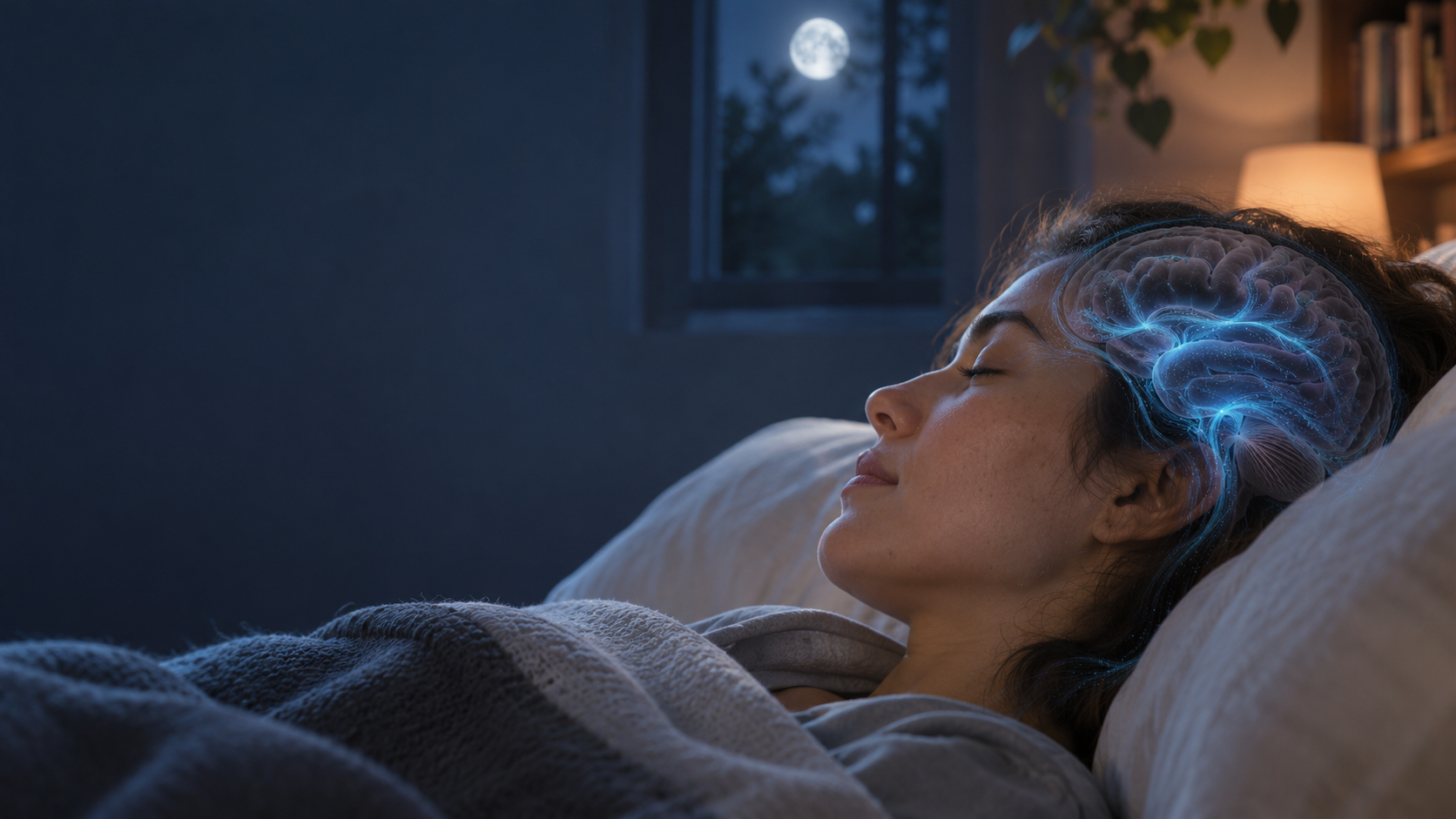
Daytime Napping Linked to 39% Higher Dementia Risk
Daytime Napping Linked to 39% Higher Dementia Risk
Falling asleep during the day can seem harmless. Many people doze while watching television, reading, or relaxing after lunch. An occasional planned nap is different from repeatedly falling asleep without intending to.
A recent report described an association between accidental daytime sleep and a 39% higher risk of dementia. Source 3 Other coverage has similarly linked frequent daytime napping with dementia risk. Source 7
The key qualification is that this finding shows an association, not proof that daytime naps cause dementia. It does not mean that 39% of people who nap will develop dementia, nor that everyone should stop napping.
What the Report Found
The reported study found that people who experienced accidental daytime sleep had a 39% higher dementia risk than a comparison group. Source 3
“Higher risk” describes a difference between groups. It is not a diagnosis or an individual prediction. Available report summaries do not establish that naps directly caused dementia, identify a universally harmful nap duration, or show that the result applies equally to every age group.
Accidental daytime napping means falling asleep unintentionally, such as while:
- Watching television.
- Reading.
- Sitting quietly or talking.
- Eating or performing routine activities.
- Trying to remain awake during the afternoon.
This differs from intentionally taking a brief nap after a poor night’s sleep. Repeated unplanned sleep may be more informative because it can indicate excessive daytime sleepiness.
The available reports do not provide enough detail to determine which nap frequency or duration was most strongly associated with risk, how the result varied by age or health status, or how sleep disorders, medication use, depression, inactivity, and inaccurate reporting affected the findings. Source 1
Why Daytime Sleepiness May Matter
Daytime sleepiness can reflect several underlying problems rather than cause dementia itself.
Poor nighttime sleep
Insomnia, pain, frequent urination, nighttime awakenings, irregular schedules, and an uncomfortable sleep environment can lead to daytime fatigue. Repeatedly compensating with long naps may further disrupt nighttime sleep.
Sleep apnea and other sleep disorders
Sleep apnea causes repeated breathing interruptions that reduce restorative sleep. Warning signs include loud snoring, gasping, observed breathing pauses, morning headaches, dry mouth, persistent fatigue, and difficulty staying awake during quiet activities.
Medication or health effects
Some sleep aids, antihistamines, pain medicines, sedatives, and other prescriptions can cause drowsiness. Alcohol can also worsen sleep quality. Depression, thyroid disorders, anemia, diabetes, heart disease, lung disease, neurological conditions, and chronic pain may contribute to excessive sleepiness.
Do not stop or change a prescribed medicine without medical advice. A clinician or pharmacist can review possible side effects and timing.
Changes in health or cognition
Daytime sleepiness alone does not indicate dementia. However, it deserves attention when it occurs with increasing forgetfulness, confusion, difficulty managing familiar tasks, problems with planning or judgment, trouble handling finances or medicines, or changes in language, mood, or personality.
Reduced activity
Illness, pain, depression, social isolation, and reduced mobility can increase daytime inactivity and make sleep more likely. Mental engagement, including reading, music, puzzles, learning, and meaningful conversation, can complement physical activity and good sleep. Source 9
How to Interpret the 39% Figure
Relative risk compares groups; absolute risk describes how many people are affected. For example, if 10 of 100 comparable people in one group developed dementia, a 39% relative increase would correspond to about 13.9 of 100 in another group. This is an illustration, not the study’s actual baseline risk.
Observational research cannot fully establish cause and effect. Three explanations are possible:
- Daytime sleep might contribute to health changes.
- Early health changes might increase daytime sleep.
- A third factor might increase both daytime sleep and dementia risk.
Age, existing illness, sleep quality, inactivity, depression, medication use, social isolation, cardiovascular health, hearing problems, and alcohol use may influence both daytime sleep and dementia risk.
Is Every Nap a Risk?
No. An occasional planned nap is not automatically harmful. Someone may nap after a poor night’s sleep, during illness recovery, or because of a demanding schedule. Greater concern is warranted when falling asleep is unintentional, frequent, prolonged, new, worsening, or disruptive to daily life.
Long naps or naps late in the day may interfere with nighttime sleep. Helpful steps include:
- Keep naps brief when possible.
- Schedule them earlier in the afternoon.
- Use an alarm if naps affect nighttime rest.
- Avoid relying on naps to compensate for chronic sleep deprivation.
- Track changes in nap frequency and duration.
There is no single nap length that suits everyone. Individual advice may be especially important for older adults and people with sleep disorders.
When to Seek Medical Advice
Consult a healthcare professional when daytime sleepiness persists for several weeks, worsens, interferes with work or daily activities, occurs despite adequate time in bed, follows a medication change, or causes repeated accidental naps. Do not drive or operate machinery when struggling to stay awake.
Seek an evaluation when sleepiness occurs with loud snoring, breathing pauses, memory problems, confusion, difficulty managing finances or medicines, or trouble completing familiar tasks. Assessment may include a sleep history, medication review, physical examination, blood tests, sleep testing, or cognitive screening.
Supporting Sleep and Brain Health
- Maintain a consistent sleep and wake schedule.
- Keep the bedroom dark, quiet, and comfortable.
- Limit caffeine late in the day and alcohol in the evening.
- Address pain, nighttime urination, and repeated awakenings with a clinician.
- Add regular movement, such as walking, strength exercises, balance work, gardening, or active household tasks.
- Stay mentally and socially engaged.
- Discuss blood pressure, diabetes, cholesterol, hearing loss, depression, smoking, and cardiovascular health with a healthcare professional.
No single habit guarantees dementia prevention. Sleep, physical activity, mental engagement, social connection, and treatment of health conditions all contribute to overall brain health.
Key Takeaways
- Accidental daytime sleep was associated with a reported 39% higher dementia risk.
- The finding is observational and does not prove that naps cause dementia.
- Unplanned daytime sleep may signal poor nighttime sleep, sleep apnea, medication effects, illness, or another health change.
- An occasional planned nap is not automatically dangerous.
- Persistent or changing daytime sleepiness deserves medical evaluation.
- Good sleep, regular movement, mental engagement, social connection, and health management support overall brain health.
Frequently Asked Questions
Can daytime naps cause dementia?
The available reports do not prove that naps cause dementia. They describe an association between accidental daytime sleep and higher dementia risk.
Is a short afternoon nap unhealthy?
Not necessarily. An occasional brief nap may be normal. Concern increases when naps become frequent, prolonged, difficult to control, or disruptive to nighttime sleep.
What does accidental daytime napping mean?
It means falling asleep unintentionally during the day, such as while watching television, reading, sitting quietly, or talking with someone.
Does the 39% increase mean that 39% of nappers will develop dementia?
No. The figure describes a relative difference between groups, not an individual probability of developing dementia.
When should daytime sleepiness be checked?
Seek medical advice when sleepiness is persistent, worsening, disruptive, follows a medication change, or occurs with snoring, breathing pauses, memory problems, confusion, or functional difficulties.
How can excessive daytime sleepiness be reduced?
Track sleep and nap patterns, maintain a regular schedule, improve nighttime sleep, review medications with a clinician, stay active, and seek evaluation for sleep apnea or other medical causes.