United Fidelity Bank Closed: What Customers Should Know
United Fidelity Bank Closed: What Customers Should Know
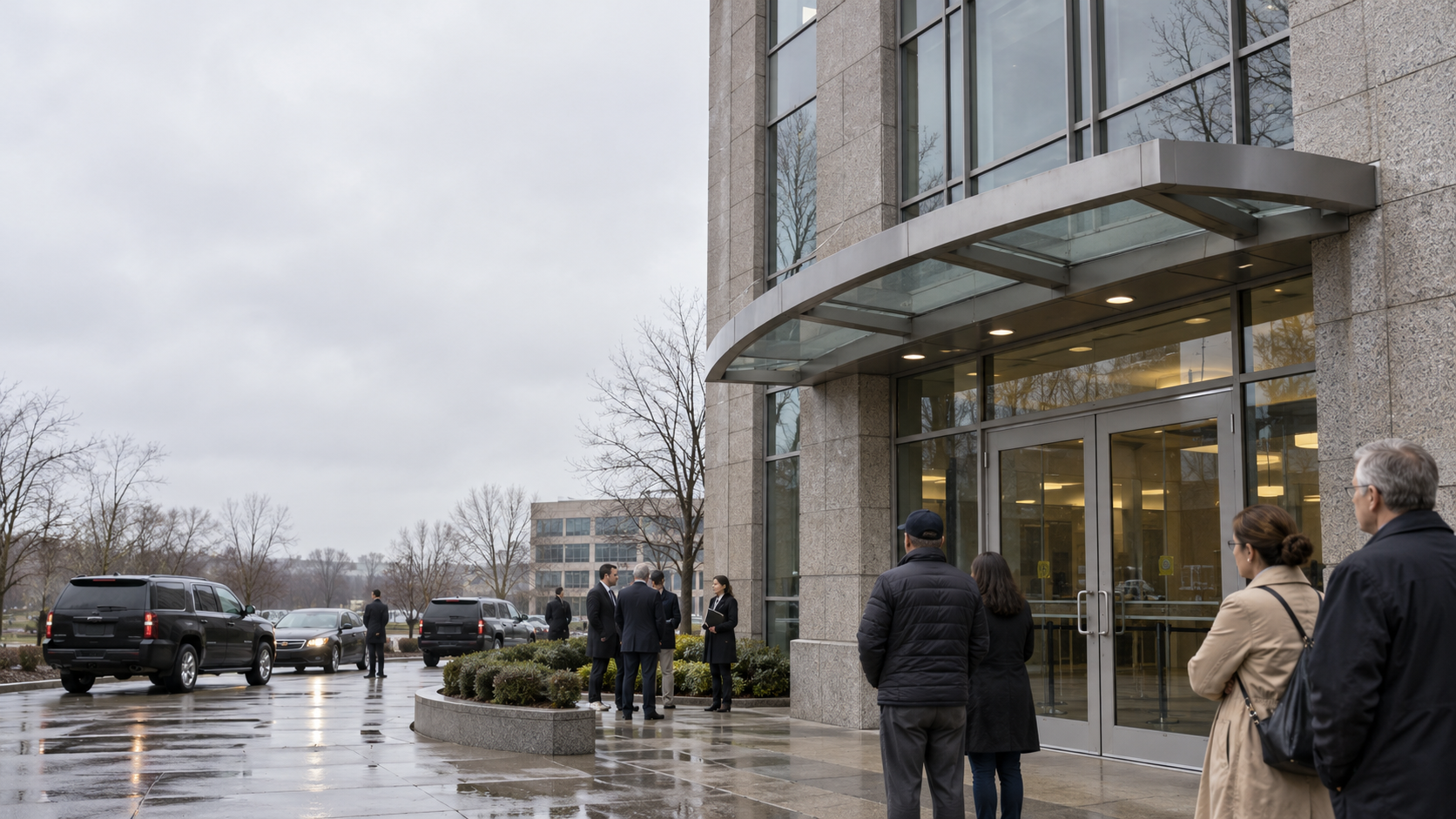
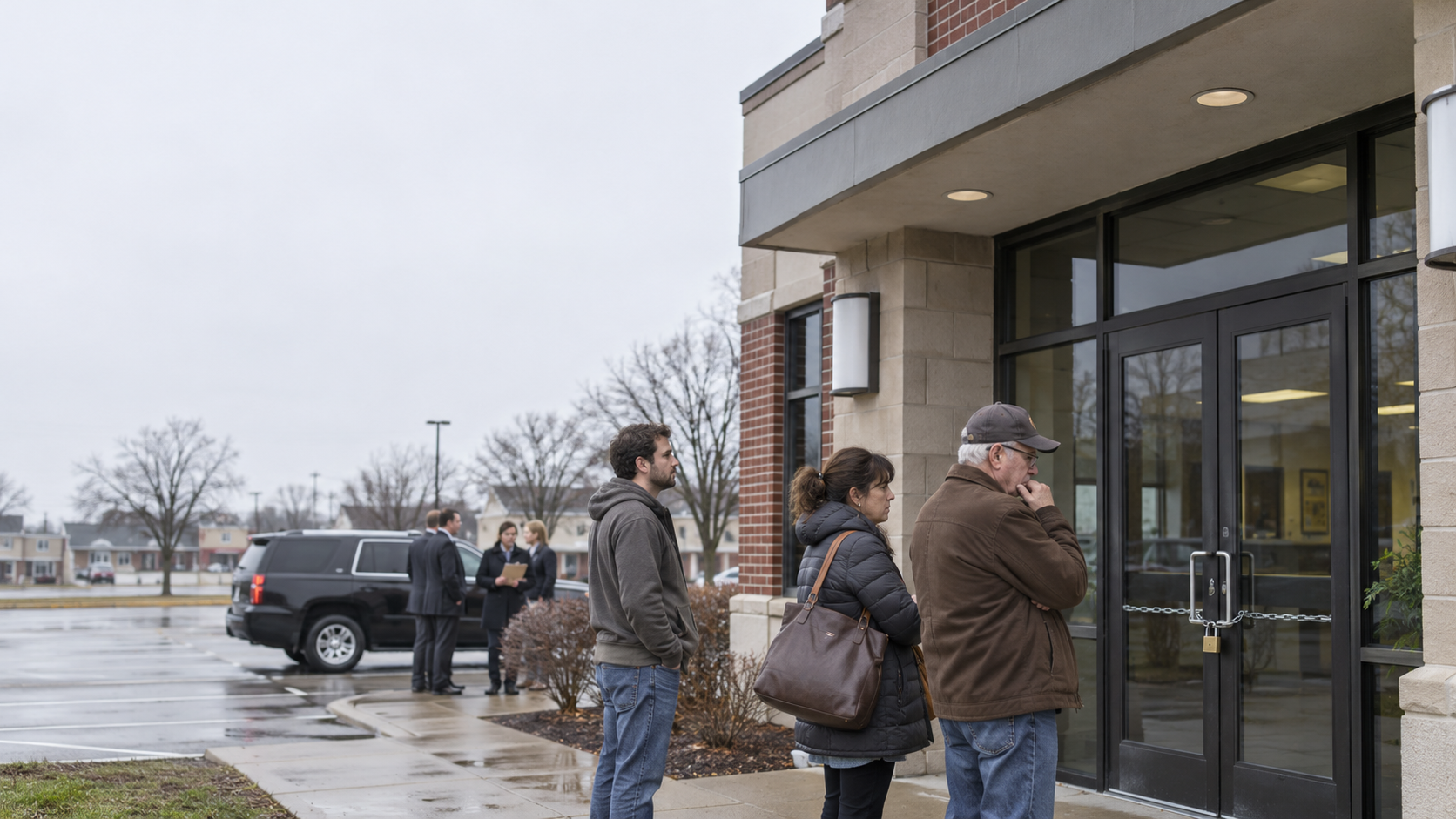
Federal regulators closed United Fidelity Bank, an Indiana-based lender reportedly holding approximately $6 billion in assets. Multiple reports described the action as the largest U.S. bank failure or closure since 2024. First Citizens Bank agreed to assume United Fidelity’s deposits and assets, supporting a transition intended to preserve customer access and limit disruption.
The closure raises immediate questions for depositors, borrowers, employees, businesses, and other regional banks. Customers should confirm whether their accounts remain available, how deposit insurance applies, whether loan payments should continue, and whether branches, cards, and online banking services will change.
The available reports confirm the closure, the bank’s approximate size, and First Citizens Bank’s assumption of deposits and assets. They do not establish the precise reason United Fidelity failed. Claims involving liquidity, loan losses, commercial real estate, fraud, capital, or deposit withdrawals require confirmation from official regulatory documents.
What Happened to United Fidelity Bank?
Federal Regulators Closed the Indiana-Based Lender
Federal regulators took control of United Fidelity Bank and closed its operations. Reports from NPR, KWBU, CNBC, and CBS News described the event as a significant U.S. bank closure, with some calling it the largest bank failure since 2024.
A regulatory closure differs from an ordinary merger or voluntary acquisition. In a bank resolution, regulators determine that an institution cannot continue operating safely or meet applicable requirements. The bank is closed, and its deposits, assets, branches, or other operations may be transferred to another institution.
The supplied reports do not identify every agency involved. Customers should rely on official notices from the Federal Deposit Insurance Corporation (FDIC), First Citizens Bank, and relevant state or federal regulators for operational instructions.
First Citizens Assumed Deposits and Assets
An FDIC-related report said First Citizens Bank agreed to assume United Fidelity Bank’s deposits and assets after the Indiana lender was closed. Assuming deposits generally means the acquiring bank accepts responsibility for transferred customer accounts. Account numbers, statements, cards, websites, payment instructions, and service arrangements may change.
Assuming assets generally means First Citizens takes control of specified loans and other assets. The transaction may include selected loans, securities, real estate interests, or other assets while excluding particular liabilities or operations. Customers should review the official purchase-and-assumption terms rather than assume every product will operate exactly as before.
The Bank’s Approximate $6 Billion Size
The reported $6 billion figure refers to approximate assets, not necessarily deposits or customer funds. Bank assets can include loans, securities, cash, and other property recorded on the balance sheet.
Asset size does not show the total amount of customer deposits, number of depositors, number of branches, number of employees, amount of insured deposits, amount of uninsured deposits, or risk profile of the loan portfolio. The available excerpts do not provide United Fidelity’s complete balance sheet or customer count.
Why the Closure Is Significant
Reported as the Largest U.S. Bank Failure Since 2024
NPR, CNBC, and CBS News described the closure as the largest U.S. bank failure since 2024, while KWBU used the term “bank closure.” This comparison measures relative size or significance among recent closures. It does not, by itself, prove that the U.S. banking system is experiencing a crisis.
The event may influence depositor confidence, investor expectations, and scrutiny of regional banks. Markets and regulators may examine whether other institutions have similar exposure to interest-rate movements, concentrated deposits, commercial borrowers, or troubled loans.
A single closure does not establish broad instability. Wider conclusions require evidence from bank data, deposit flows, liquidity conditions, share prices, credit markets, and regulatory actions.
Effects on Regional Banking
United Fidelity’s reported size could make the resolution important to local businesses, commercial borrowers, real estate customers, employees, and other financial institutions. The practical impact depends on its geographic footprint, customer concentration, branch network, and loan portfolio.
Businesses should confirm that payroll, supplier payments, merchant deposits, and credit lines continue without interruption. Borrowers may need updated payment addresses or servicing contacts. Employees may face changes if First Citizens consolidates branches or restructures operations.
The supplied reports do not identify United Fidelity’s largest markets or business lines. Conclusions about its local economic impact require additional verified information.
What United Fidelity Customers Should Know
Deposits and Account Access
Customers should confirm whether First Citizens now services their United Fidelity accounts and review checking, savings, money market, certificate of deposit, and business accounts. They should monitor direct deposits, automatic payments, checks, debit cards, wires, online banking, recent transactions, and balances.
Official transition notices should explain whether account numbers, cards, online credentials, or payment arrangements will change. Customers should not rely on social media, unsolicited emails, text messages, or unexpected calls for account instructions.
Fraudsters may impersonate the FDIC, First Citizens, or another regulator during the transition. Legitimate institutions should not request passwords or one-time authentication codes through unexpected messages.
Deposit Insurance
FDIC insurance generally depends on the account owner, ownership category, balance, and applicable coverage limits. Coverage may differ for individual, joint, trust, retirement, and business accounts.
Customers should not assume that every balance is fully insured. They should confirm coverage through official FDIC guidance and maintain records showing account ownership and balances.
Insured deposits are generally transferred or made available through the resolution process. Uninsured deposits may be handled differently, depending on asset recoveries and the resolution terms. The supplied reports do not state United Fidelity’s total insured or uninsured deposits.
Loans and Credit Products
Customers with mortgages, personal loans, commercial loans, home-equity products, or lines of credit should continue scheduled payments unless official instructions state otherwise. Closing the original bank does not automatically cancel a borrower’s obligations.
A change in loan servicing may affect payment addresses, online payment portals, automatic payment instructions, customer-service numbers, monthly statements, and loan account identifiers. Borrowers should verify new instructions through an official First Citizens or FDIC channel before changing payment details. They should not stop payments solely because United Fidelity closed.
Branches, Cards, and Digital Banking
Customers may experience temporary changes involving branches, ATMs, debit cards, mobile applications, online banking, wire transfers, or check processing. The supplied reports do not specify which services will change or when.
Customers should wait for official instructions before creating new accounts, changing credentials, or redirecting automatic payments. They should save statements, notices, transaction confirmations, and correspondence during the transition.
How a Bank Resolution Typically Works
A bank resolution generally involves these steps:
- Regulators determine that a bank cannot continue operating safely or meet applicable requirements.
- The bank is closed and placed into resolution.
- The FDIC or another authorized entity manages the transition.
- Another bank may assume deposits, assets, branches, or selected operations.
- Customers receive instructions about account access, payments, and service changes.
This is a general description, not a confirmed account of United Fidelity’s case unless official resolution documents support each step.
The reported transaction appears to be a purchase-and-assumption arrangement. “Assume deposits” means First Citizens accepts responsibility for transferred deposit accounts. “Assume assets” means it takes control of specified assets, which may include loans and other balance-sheet items.
The FDIC may protect insured depositors, manage failed-bank assets, coordinate account transfers, and provide customer guidance. First Citizens acts as the acquiring bank and customer-service provider for transferred accounts.
What Is Not Yet Confirmed?
The Cause of the Failure
The supplied reports do not identify why United Fidelity was closed. No verified explanation is provided for liquidity problems, loan losses, commercial real estate exposure, fraud, capital shortfalls, or unusual deposit withdrawals. Those possibilities should not be presented as facts without regulatory filings, official statements, examination documents, or resolution records.
The Exact Customer Impact
The available excerpts do not specify the number of depositors, branches, employees, insured deposits, uninsured deposits, or customer-service arrangements. They also do not state whether First Citizens will retain all branches, cards, digital systems, or loan products.
The Broader Market Effect
The reports do not establish whether the closure affected other banks, financial markets, or credit conditions. Terms such as “systemic crisis,” “contagion,” and “banking panic” require supporting evidence.
Analysts typically assess deposit movements, bank share prices, liquidity conditions, lending standards, and regulatory actions when evaluating broader effects.
What the Closure Means for the U.S. Banking System
Most customers who never held an account with United Fidelity may see little immediate operational impact. Wider consequences depend on the bank’s relationships with other financial institutions, commercial borrowers, payment networks, local economies, and regional lenders.
Regulators and investors commonly monitor capital adequacy, liquidity, deposit stability, loan quality, interest-rate exposure, and commercial real estate concentration. The available reports do not confirm which, if any, of these factors affected United Fidelity.
The transfer of deposits and assets to First Citizens can reduce uncertainty, preserve account access, maintain lending relationships, and support an orderly asset transition. Integration problems can still occur, so customers should follow official notices and verify every payment or account change.
Practical Checklist for Customers
- Verify account status through official First Citizens or FDIC channels.
- Review balances, recent transactions, statements, and pending payments.
- Confirm direct deposits and automatic payments.
- Continue loan payments under verified instructions.
- Save notices, statements, receipts, and transaction records.
- Check whether new cards, account numbers, or online banking credentials are required.
- Reject unsolicited requests for passwords, Social Security numbers, authentication codes, or account transfers.
- Contact First Citizens or the FDIC if account access, payments, or insurance questions remain unresolved.
Conclusion
Federal regulators closed United Fidelity Bank, an Indiana lender reported to have approximately $6 billion in assets. Multiple reports described the event as the largest U.S. bank failure or closure since 2024. First Citizens Bank agreed to assume its deposits and assets.
Customers should focus on account access, deposit insurance, loan payments, direct deposits, automatic payments, and official transition instructions. They should verify every change through First Citizens or the FDIC and remain alert to fraud attempts.
The available reports do not establish the cause of the closure or its full financial impact. Those conclusions require verified regulatory documents and additional reporting.
Frequently Asked Questions
What happened to United Fidelity Bank?
Federal regulators closed United Fidelity Bank, an Indiana-based lender reported to have approximately $6 billion in assets. Multiple reports described the closure as the largest U.S. bank failure since 2024.
Who took over United Fidelity Bank’s deposits?
First Citizens Bank agreed to assume United Fidelity Bank’s deposits and assets, according to an FDIC-related report. Customers should confirm transition details through official First Citizens and FDIC communications.
Are United Fidelity deposits insured?
Coverage depends on the account type, ownership category, balance, and applicable FDIC limits. Customers should verify coverage directly with the FDIC rather than assume every balance is fully insured.
Should customers continue making loan payments?
Yes. Customers should continue scheduled payments unless official instructions say otherwise. They should verify any new payment address, servicing platform, or account information through First Citizens or another official channel.
Why was United Fidelity Bank closed?
The supplied reports do not identify the specific cause. The closure should not be attributed to liquidity problems, loan losses, fraud, capital shortfalls, or another factor without confirmation from regulators or official filings.
Does the closure mean the U.S. banking system is in crisis?
Not necessarily. The closure is significant because reports described it as the largest U.S. bank failure since 2024, but the available material does not establish broader systemic problems. Assessing wider risk requires data on other banks, deposit flows, market conditions, credit conditions, and regulatory assessments.
Related Articles
-
 US Shoppers Spent Billions While Seeking Black Friday Deals
-
 WLFI Token Plunges More Than 50% Overnight
-
 Jensen Huang, Nvidia and Trump: A Governance Test
-
 Jensen Huang Return to Nvidia: What the Reports Claim
-
 Why Black Friday Shoppers Still Spend Big on Tech
-
 United Fidelity Bank Seizure: What Customers Should Know
-
 DWP Cyber Attack Takes Pension and Benefits Systems Offline
-
 Nvidia Blackwell Hardware Reported at China Data Center
-
 Best SUVs of 2026: Nearly 30 Tested and Ranked
-
 WLFI’s Reported 50% Plunge Requires Verification
-
 5 Best Sedans to Keep for 10 Years
-
 American Airlines Planes Clip Wings at Reagan National
-
 United Fidelity Bank Shutdown: What Depositors Should Know
-
 What Anthropic’s Stock Jump Means for the AI Trade
-
 Nvidia Shipment Pause in Southeast Asia: What We Know
-
 Nvidia Blackwell Chips Reportedly Found in China