Trump and the Unverified “Bring Jensen Back” Campaign
Trump and the Unverified “Bring Jensen Back” Campaign
Reports claiming that Donald Trump supports a “Bring Jensen Back” campaign have raised questions about Nvidia’s leadership, Silicon Valley’s influence and the limits of political pressure on a public company.
Summaries attributed to the BBC say Trump backed calls for Jensen Huang to return to Nvidia after the campaign was launched Source 1. Separate summaries attributed to Yahoo Finance and Reuters say Silicon Valley technology leaders support the call Source 3 Source 9.
The central premise requires verification. Jensen Huang is widely known as Nvidia’s co-founder and long-serving chief executive, not simply a former Nvidia boss. The supplied summaries do not explain when he supposedly left, who replaced him or why he would need to return. They also refer to November 16, 2026, a date that requires confirmation.
The campaign could represent a genuine leadership movement, a speculative proposal, satire or an inaccurately summarized report. Until Nvidia, Huang or a reliable full report confirms the relevant facts, it should not be presented as an established corporate process.
What Is the “Bring Jensen Back” Campaign?
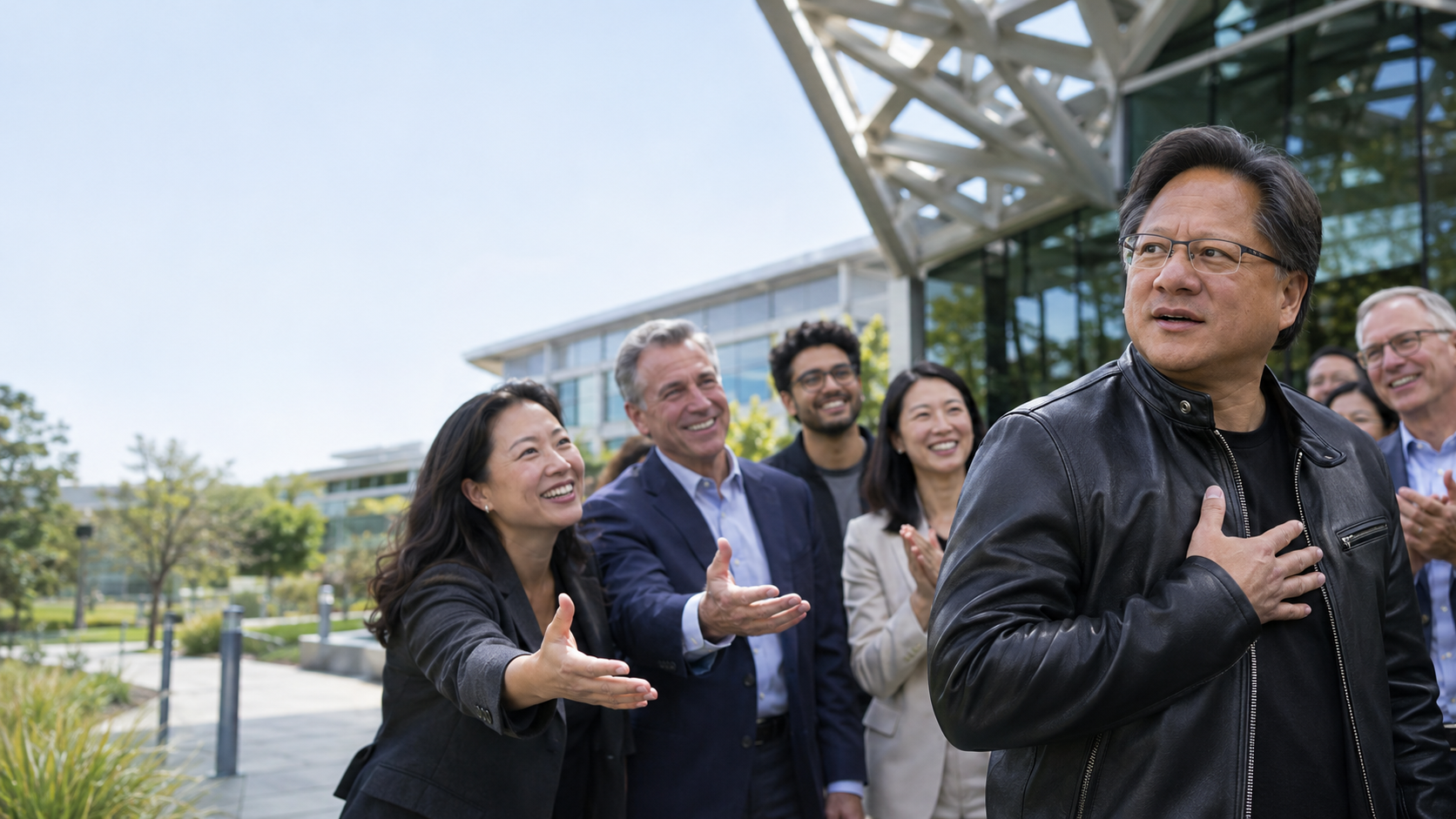
The campaign is described as an effort to bring Huang back to Nvidia, potentially as chief executive or in another senior role. One supplied summary says it seeks to reinstate Huang and has gained support from technology leaders Source 7.
The available material does not establish whether the campaign has:
- A formal organization, named founders or a membership structure.
- Institutional investors or a shareholder resolution.
- A proxy campaign or a proposal before Nvidia’s board.
A public slogan can generate headlines without having legal or governance effect. A formal shareholder campaign would involve filings, voting procedures or direct engagement with the board. No supplied source confirms that Nvidia’s board has considered the request, that shareholders have submitted a proposal or that Huang has agreed to return.
Huang’s Connection to Nvidia
Huang co-founded Nvidia and has been central to its development from a graphics-processing company into a major supplier of data-center and artificial-intelligence infrastructure. His name is closely associated with the company’s strategy, public identity and relationships with customers, developers and policymakers.
The supplied reports’ description of Huang as a “former Nvidia boss” conflicts with the widely established understanding of his relationship with the company. His current title should be checked against Nvidia’s official corporate information and regulatory filings before publication.
The reports do not provide a departure date, a replacement chief executive, an explanation for his departure, a statement from Huang or a corporate filing documenting a leadership change. The campaign could instead concern an advisory, executive-chair or other proposed role—or it could be based on a reporting error.
Why Supporters May Want Huang to Return
Supporters may associate Huang with Nvidia’s rise in AI hardware and argue that his return would provide strategic continuity, faster decision-making and clearer communication with customers and investors. They may also view him as a familiar leader during a period marked by competition, supply constraints, export controls and geopolitical uncertainty.
Those arguments remain unverified. A leadership change would not automatically resolve semiconductor shortages, regulatory restrictions, competitive pressure or volatility in AI demand. Nvidia’s performance also depends on its engineers, operating teams, suppliers, customers and partners.
Trump’s Reported Support
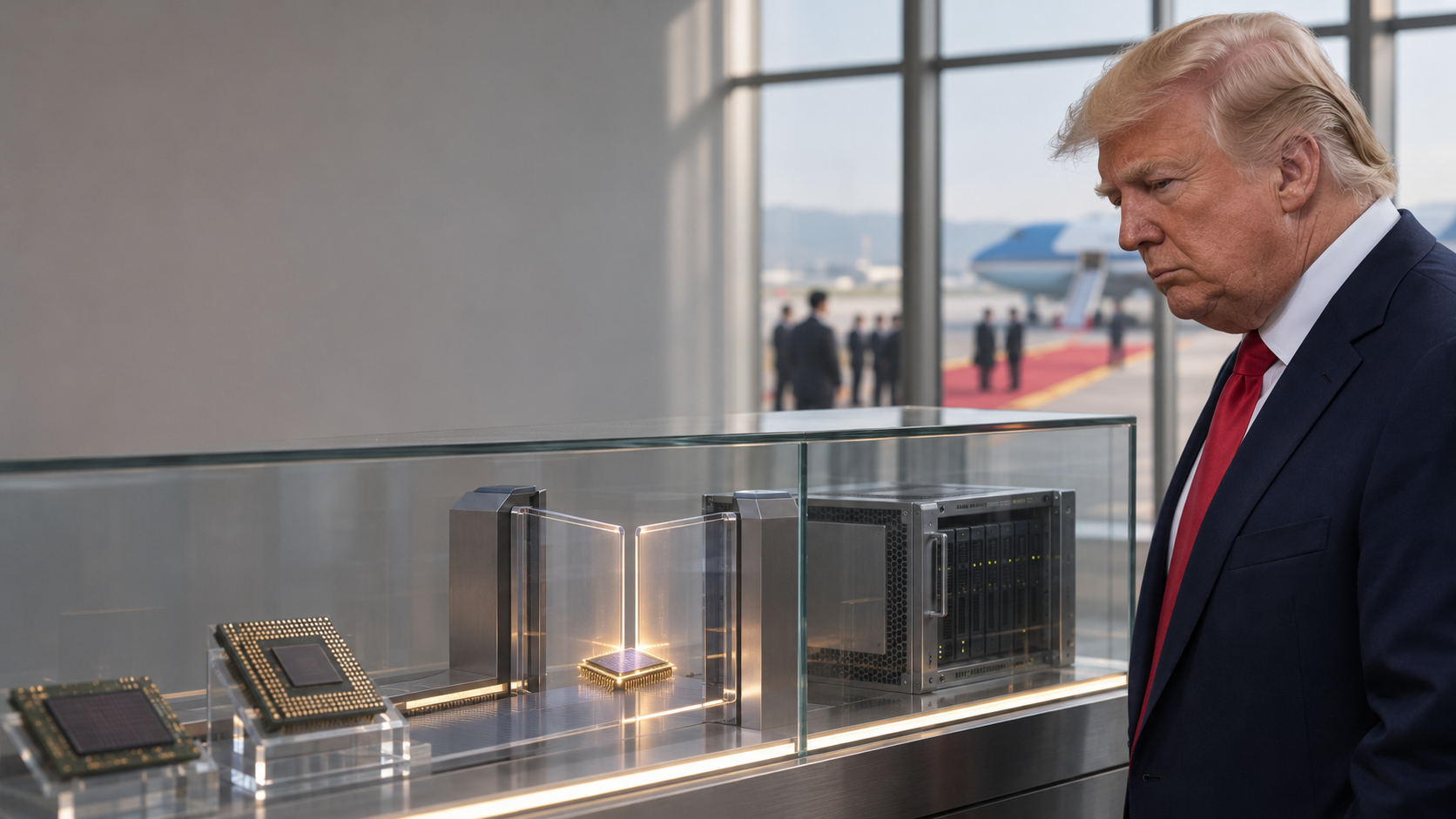
The BBC summary says Trump backed calls connected to the campaign Source 1. The available material does not include a full quotation or transcript. It is therefore unclear whether Trump personally called for Huang’s return, endorsed the campaign by name, repeated someone else’s proposal or discussed Nvidia’s leadership in a broader statement about AI and semiconductors.
The exact wording matters. “Backing calls” is not necessarily the same as formally endorsing a campaign or asking Nvidia’s board to take a specific action.
Trump’s involvement could bring national attention to issues involving AI infrastructure, domestic chip production, export controls and US technological competitiveness. It does not give the president authority to appoint or reinstate an executive at a publicly traded company.
Nvidia’s Governance Process
Nvidia’s board oversees senior leadership and would generally control any chief executive appointment. A return would require agreement among Huang, the board and, depending on the circumstances, shareholders. The company would also need to define his responsibilities, reporting lines and relationship with current management.
Shareholders could seek change through private discussions, public letters, shareholder resolutions, proxy contests or voting campaigns. No supplied source confirms that the reported campaign uses any of these mechanisms. Until official filings or documents are identified, it should be described as a reported public campaign rather than a formal shareholder action.
A return without a clearly defined role could create overlapping authority and uncertainty about accountability. The campaign could also distract management from products, customers and operations.
What the Reports Confirm—and What They Do Not
The supplied summaries indicate that:
- Trump reportedly backed calls linked to the campaign.
- Silicon Valley leaders reportedly support Huang’s return.
- Reuters, Yahoo Finance, the BBC and Mother Jones are associated with coverage of the issue.
- The campaign is described as seeking Huang’s return to Nvidia.
They do not establish:
- Huang’s current position or Nvidia’s current chief executive.
- The campaign’s organizers or legal status.
- The identities of all supporters.
- Trump’s exact words.
- Huang’s response or Nvidia’s official response.
- Whether the reported 2026 dates are accurate.
- Whether any formal board or shareholder action exists.
The original reports require review rather than reliance on headline summaries. Unrelated entries concerning other political and sporting subjects provide no relevant evidence.
Possible Implications for Nvidia
A high-profile leadership campaign could increase attention around Nvidia’s stock, succession planning and board independence. Investors might view it positively, negatively or neutrally depending on whether it has formal authority and whether they believe a change would improve execution.
If Huang returned in a new role, the impact would depend on his mandate. A chief executive, executive-chair, adviser or consultant role would carry different implications for strategy, accountability and investor confidence.
Employees and customers could interpret the campaign as a vote of confidence in Huang or as evidence of internal uncertainty. No conclusion should be drawn without statements from Nvidia, Huang, employees, customers or verified corporate documents.
What Happens Next?
The most meaningful developments would include:
- An official statement from Nvidia.
- Comments from the board.
- A public response from Huang.
- Securities and Exchange Commission filings.
- A formal shareholder proposal.
- Identification of the campaign’s organizers.
- Clarification of the role supporters want Huang to hold.
Silence from Nvidia would neither confirm nor deny the campaign’s claims. A credible report should distinguish between political endorsement, industry support and an actual corporate decision.
Conclusion
Reports say Donald Trump backed calls connected to a “Bring Jensen Back” campaign and that Silicon Valley figures support Jensen Huang’s return to Nvidia. The story matters because Nvidia is central to AI infrastructure and Huang is closely associated with the company’s identity.
The central premise remains unresolved. The supplied summaries do not establish that Huang left Nvidia, that the company has a vacant leadership position or that a formal reinstatement process exists. They also do not provide Trump’s full statement, Huang’s response or an official Nvidia reaction.
Political support may influence public debate, and technology-industry backing may attract media attention, but neither replaces Nvidia’s board or corporate governance process. The campaign’s significance will depend on verified information about Huang’s current status, the campaign’s organization and any formal action by Nvidia.
Frequently Asked Questions
Who is Jensen Huang?
Jensen Huang is Nvidia’s co-founder and one of the central figures in the company’s development. He is closely associated with Nvidia’s expansion from graphics processing into data-center computing and artificial intelligence. His exact current title should be confirmed because the supplied summaries describe him as a former Nvidia boss.
What is the “Bring Jensen Back” campaign?
It is described as an effort to bring Huang back to Nvidia. The supplied material does not confirm its organizers, membership, legal status, shareholder participation or intended executive role.
Did Donald Trump support Huang’s return?
The supplied BBC summary says Trump backed calls connected to the campaign. His exact wording and whether he explicitly endorsed the campaign by name require confirmation from the original report.
Can Trump force Nvidia to reinstate Huang?
No. Nvidia’s board and corporate governance procedures control executive appointments. Trump’s support may influence public discussion, but it does not give him authority to appoint Nvidia’s chief executive.
Has Nvidia confirmed that Huang is returning?
The supplied summaries do not report an official Nvidia confirmation. A return should not be treated as settled until Nvidia, Huang or a verifiable corporate filing confirms it.