Survivor Series WarGames 2026: What WWE Got Right
Survivor Series WarGames 2026: What WWE Got Right and Wrong
WWE Survivor Series WarGames 2026 presented Triple H and the creative team with a familiar challenge: make one of WWE’s most distinctive concepts feel important while advancing several stories at once.
WarGames cannot function like an ordinary premium live event match. Its structure requires escalation, defined character roles, meaningful team dynamics, and a finish that creates consequences. When those elements work, the match becomes a major turning point. When they fail, the spectacle can feel overcrowded, repetitive, or disconnected from WWE’s broader direction.
Bleacher Report examined Triple H’s strongest creative decisions and biggest booking concerns in a report published on November 29, 2026. Source 1
The central verdict is balanced. WWE created a platform for future storylines and preserved WarGames as a major attraction, but the event also raised questions about pacing, payoff, character focus, and follow-up. The next several weeks of television will determine whether Survivor Series becomes a meaningful chapter or a collection of unresolved teases.
What WWE Got Right
WarGames Retained Its Major-Event Identity
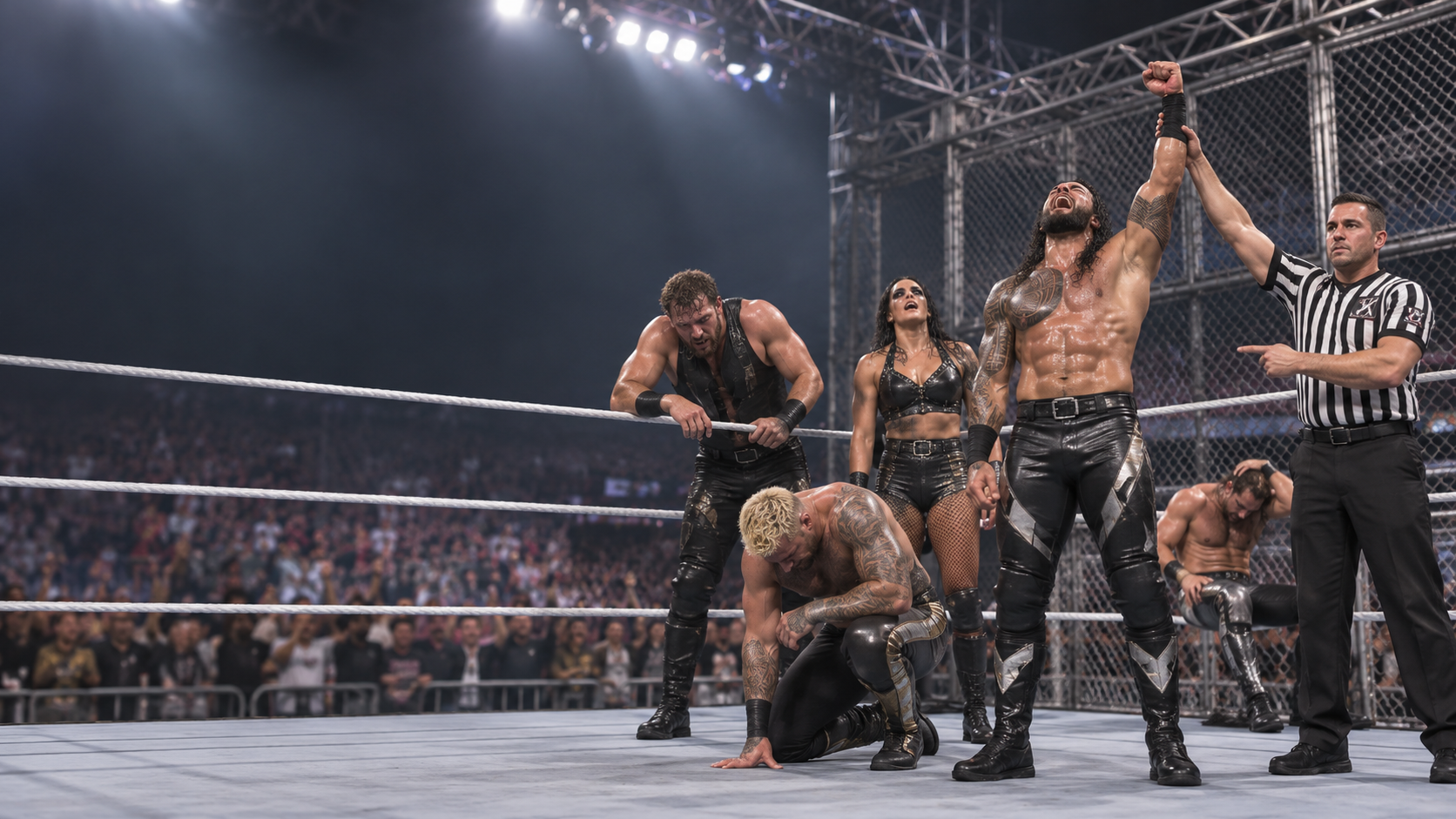
WarGames should feel different from a standard WWE premium live event. Its appeal comes from two rings, a cage, staggered entrances, team strategy, and the gradual transformation of a wrestling match into a chaotic fight.
A successful WarGames presentation needs more than weapons and dramatic entrances. It needs escalation. The opening exchanges should establish rivalries and alliances. New entrants should alter the balance of power, and the match should become more dangerous as the field fills.
That structure allows WWE to create a major-show atmosphere without relying solely on championship matches. WarGames itself becomes the attraction. The format also suits Triple H’s preference for long-term narrative development because one match can establish several future conflicts.
The 2026 event’s apparent strength was its ability to make WarGames feel consequential rather than routine. If the show made viewers ask what the participants would do next, it succeeded at the format’s most basic objective.
The Match Could Advance Multiple Stories
A WarGames match should change the status of its participants. A wrestler can emerge as a stronger leader, a more credible threat, a potential title challenger, or a destabilizing force within a faction. The team itself can also become stronger or begin to fracture.
A betrayal or surprise is not automatically meaningful. Shock value creates a moment, but consequences create a storyline.
The most important developments to assess after Survivor Series include:
- New alliances.
- Betrayals within established factions.
- More personal rivalries.
- Championship implications.
- WrestleMania-season possibilities.
- Breakout performances from less-established talent.
WhatCulture published a report outlining nine potential directions after the event, although the supplied summary does not identify those directions or provide enough detail to attribute specific angles to the article. Source 3
Unanswered questions can benefit WWE when the company has a clear plan. They create anticipation when viewers understand why the questions matter. They become confusing when WWE does not explain the stakes or provide consistent follow-up.
The Event Created Opportunities for Key Performers
WarGames gives WWE a natural way to focus attention on team captains, betrayed allies, returning wrestlers, and performers seeking greater credibility.
Those moments matter only when they lead to future opportunities. A decisive performance can create a singles rivalry, championship challenge, leadership role, or faction conflict. If a wrestler receives a major WarGames moment but returns to an unrelated role on the next episode of weekly television, that moment loses value.
Exact conclusions about individual winners, losers, and protected performers should be based on the confirmed event card and match footage. The supplied source summaries do not provide enough verified detail to assign specific creative successes to individual wrestlers without risking inaccurate reporting.
Survivor Series Created Questions for Weekly Television
Strong premium live events do not need to resolve every story immediately. Some questions should remain open:
- Who will challenge for the major championships?
- Will each WarGames team remain together?
- Did a faction leader lose control?
- Will an alliance continue after its shared enemy disappears?
- Did a returning performer change the balance of power?
- Which wrestler earned a higher position on the roster?
These questions give WWE material for interviews, confrontations, and matches. The key is motivation. Viewers should understand why a team formed, why a betrayal occurred, and what each participant wants next.
The Show Could Support Long-Term Planning
Triple H’s creative approach often emphasizes delayed payoffs. That method can build anticipation when WWE consistently rewards audience attention.
Survivor Series can bridge the autumn schedule and the early WrestleMania build. Rivalries established in November can develop through December and January. Factions can fracture gradually, and championship programs can gain depth through non-title matches and personal conflicts.
The risk is that every delayed payoff requires reliable follow-up. If WWE waits too long, viewers may forget the original emotional trigger or conclude that the company has abandoned the story.
Previous criticism of Triple H’s creative direction has focused on unresolved issues within WWE’s long-term booking. However, the available Sportster source concerns 2025 rather than Survivor Series 2026 and should be treated as background commentary, not direct evidence about this event. Source 9
What WWE Fumbled
The Storylines May Have Been Overloaded
WarGames encourages WWE to put many wrestlers in one match, but more participants do not automatically create a better story. Each wrestler needs a reason to be involved and a recognizable role within the larger conflict.
Overcrowding can make motivations difficult to follow, cause emotional moments to compete for attention, leave performers absent for long stretches, and turn the match into a sequence of isolated spots.
WWE should prioritize two or three central conflicts inside a WarGames match. Other participants can support those stories without receiving equal narrative weight. A captain might represent leadership, a rival might challenge that authority, and a wildcard might threaten both sides. Defined roles make the action easier to understand.
The Match Structure May Have Lost Momentum
WarGames requires careful pacing. The entry order affects the entire rhythm of the contest. A wrestler entering early should face a meaningful numerical disadvantage, while a late entrant should change the match rather than simply add another body.
The strongest structure usually includes:
- A clear opening conflict.
- A meaningful shift when the first new wrestler enters.
- A major momentum change when the numbers become more balanced.
- Signature moments that reflect the rivalries.
- A final sequence with a decisive emotional payoff.
Repetition is the main danger. If entrants perform similar offense, the match loses escalation. If the opening exchanges last too long without developing the story, viewers may feel that the real match has not begun. If the biggest spots lack narrative context, spectacle replaces drama.
The available reporting supports evaluating Survivor Series through these structural questions, but it does not provide a complete, verified match-by-match account. Specific claims about entry order, spots, or pacing should be confirmed through official footage before publication.
WWE Needed Stronger Payoffs
The most heavily promoted conflict on a major show should change the situation. That does not always require a clean victory. A non-finish can work if it establishes a more compelling next step.
A successful non-finish should answer at least one question while creating another. It might reveal a betrayal, establish a new challenger, or force a faction to choose sides. A non-finish that merely delays the expected result offers less value.
WWE should ask four questions after every major angle:
- Did the central conflict receive a clear outcome?
- What advantage did the winning side gain?
- What did the losing side learn or lose?
- What happens on the next episode of television?
If the answers are unclear, the angle risks feeling incomplete rather than intentionally open-ended.
Too Many Priorities May Have Been Protected
WWE often tries to protect several performers at once. That can preserve short-term credibility, but it can also weaken the meaning of victory and defeat.
A major event needs hierarchy. Some wrestlers should leave stronger, while others should lose but retain a believable path forward. If everyone is protected equally, viewers may struggle to identify who benefited.
The same problem occurs when WWE repeats familiar faction outcomes, teases a betrayal without delivering it, or delays an obvious singles match without a compelling reason. Repetition can make the booking feel safe rather than strategic.
A meaningful loss can help a wrestler if it exposes a flaw, creates a personal grievance, or forces a change in strategy.
The Post-Match Presentation Needed Precision
The immediate aftermath of a major match should communicate its meaning. Commentary, backstage interviews, social media clips, and the next weekly show should explain what changed.
WWE should establish:
- Who won.
- Why the victory matters.
- Which rivalry continues.
- Which story has ended.
- What each principal performer wants next.
The next episodes of Raw and SmackDown need to acknowledge Survivor Series directly. The company should not treat the event as a self-contained spectacle before moving to unrelated stories.
Alexa Bliss’s Medical Evaluation
Alexa Bliss was reportedly undergoing medical evaluation following Survivor Series WarGames 2026. The available information does not provide a diagnosis, injury type, recovery timeline, or prognosis. Source 5
That is the full confirmed point. No responsible review should speculate about her condition or connect the evaluation to a specific moment without reliable confirmation.
Wrestling injury reports can spread quickly after a physically demanding match, and early information may be incomplete or inaccurate. Future updates should come from WWE, Bliss, her representatives, or another reliable source.
A medical issue could affect planned rivalries, team compositions, championship programs, and future premium live event matches. WWE should prioritize health over creative continuity and preserve stories through a temporary absence, a replacement, or a revised faction dynamic if necessary.
What WWE Should Do Next
Clarify the Television Direction
The next weekly shows should address Survivor Series’ most important developments. Performers should explain their actions, and commentary should establish the new stakes.
WWE should avoid burying major WarGames moments beneath unrelated segments. The first post-event episodes are the best opportunity to preserve audience interest.
Reward Over Performers
Strong crowd reactions should lead to meaningful opportunities. A reaction alone is not a storyline; the performer still needs a conflict, opponent, or target.
Resolve or Escalate Rivalries
WWE should decide whether each unresolved angle will continue, expand, or end. Continuing a rivalry requires escalation, while ending one requires explanation. A smaller number of clearly developed stories will create stronger weekly programming than a large collection of unresolved hints.
Build Toward the Next Major Event
Survivor Series developments should become concrete matches and programs. WWE needs to establish stakes early, provide consistent weekly progression, and make the eventual payoff feel connected to WarGames.
Final Verdict
Survivor Series WarGames 2026 appears to have provided WWE with a useful foundation rather than a complete creative triumph.
The event’s strengths included WarGames’ inherent importance, the potential to advance several stories, opportunities for performers to gain momentum, and multiple questions for future programming. Its weaknesses included possible overcrowding, uneven pacing, incomplete payoffs, and uncertainty about the immediate television direction.
Alexa Bliss’s reported medical evaluation adds a serious post-event concern, but the available information does not justify speculation about her condition.
The final judgment depends on follow-up. If WWE turns the event’s biggest moments into focused rivalries, faction developments, and championship programs, Survivor Series will look more valuable in retrospect. If the company abandons those ideas or delays them without explanation, the event will represent another example of promising setups without decisive progression.
Triple H’s next challenge is clear: convert WarGames moments into purposeful weekly storytelling.
FAQ
What did WWE get right at Survivor Series WarGames 2026?
The strongest areas to evaluate are WarGames’ identity, storyline progression, performer focus, match structure, and post-event possibilities. Specific positives should be tied to verified results and segments rather than assumed from incomplete reports.
What did Triple H and WWE get wrong at Survivor Series WarGames 2026?
Potential weaknesses include overcrowded stories, uneven pacing, weak payoffs, unclear finishes, excessive protection of performers, and insufficient post-event follow-up. Specific booking errors should not be claimed without confirmed event details.
What happened to Alexa Bliss after Survivor Series WarGames 2026?
Alexa Bliss was reportedly undergoing medical evaluation after the event. The available information does not include a confirmed diagnosis, injury type, or recovery timeline. Readers should rely on official updates from WWE, Bliss, or her representatives.
What could happen next in WWE?
Possible directions include continuing rivalries, faction changes, championship programs, rematches, singles matches between team leaders, and new opportunities for WarGames participants. Exact outcomes depend on subsequent WWE television programming.
Was Survivor Series WarGames 2026 a success for Triple H?
It can be judged as a partial success if its major moments lead to meaningful follow-up. WarGames provided WWE with a strong platform, but the next several weeks will determine whether its unresolved elements become effective long-term storytelling or abandoned teases.
Related Articles
-
 Prince Harry and King Charles: What Balmoral Reports Claim
-
 Mike Love Death Report: What Is Confirmed
-
 Sunrise on the Reaping Reportedly Earns $83 Million
-
 KATSEYE Mexico City Show Postponed: Ticket & Refund Info
-
 WWE Survivor Series 2026 Results and WarGames Update
-
 Mike Love, Beach Boys Co-Founder, Dies at 85
-
 Horoscope for Sunday, November 29, 2026
-
 Mike Love Death Report Unverified: Beach Boys Legacy
-
 Broadway’s Speed-Dating-Style Macy’s Parade Tribute
-
 Martha Stewart Reportedly Faces NSFW Thanksgiving Typo
-
 Hunger Games Prequel Earns $22.5M on Black Friday
-
 Sunrise on the Reaping Leads Holiday Box Office
-
 Best Moments From the Macy’s Thanksgiving Day Parade
-
 Chrisean Rock Second Pregnancy: What Reports Confirm
-
 Pedro Pascal Discusses Suicidal Ideation After Loss
-
 Britney Spears Reportedly Returns to Louisiana for Thanksgiving