Pennsylvania Reports Ninth Measles-Associated Death in 2026
Pennsylvania Reports Ninth Measles-Associated Death in 2026
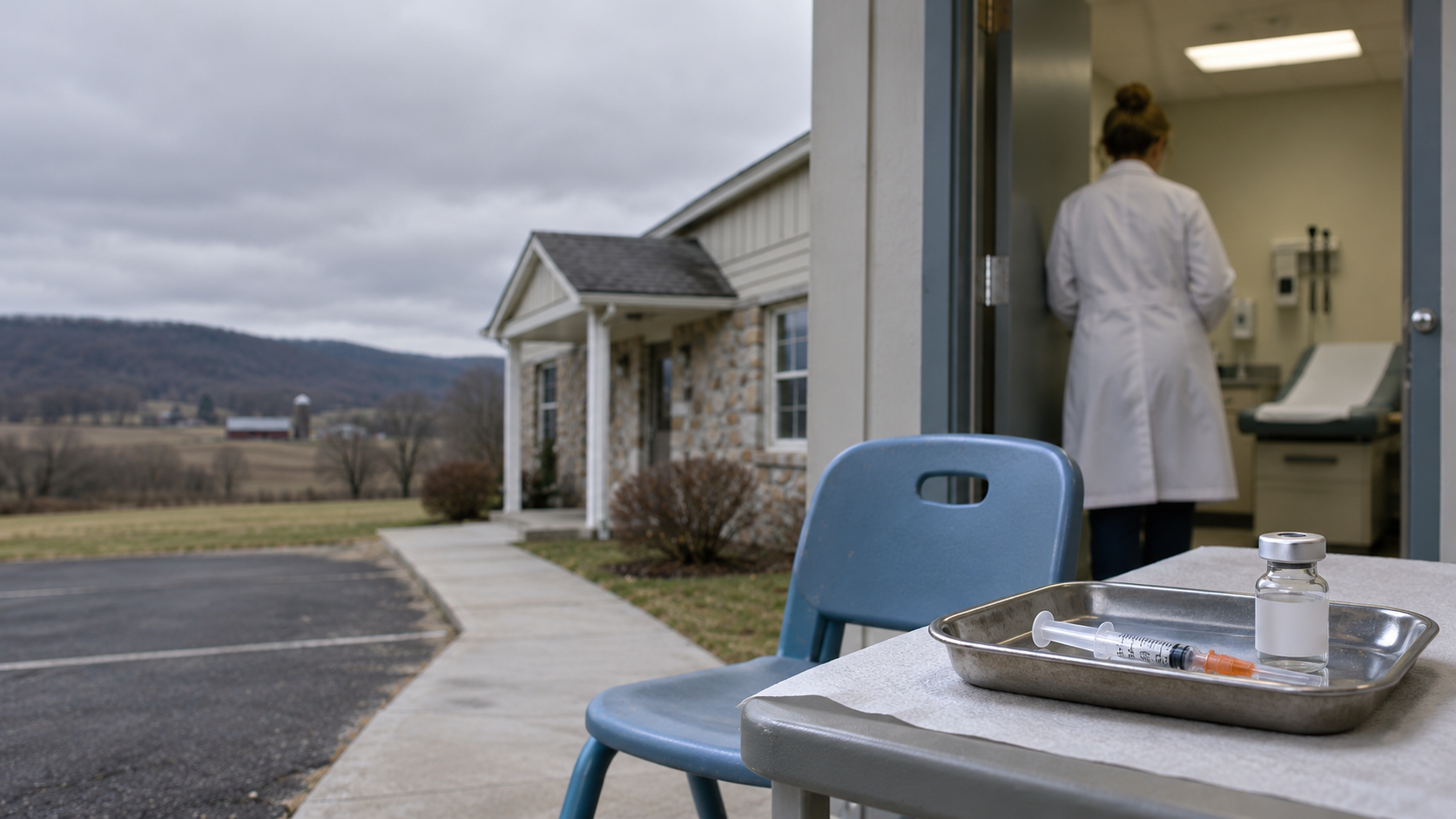
Reports say an unvaccinated Pennsylvania resident has died from measles-related causes, marking the state’s ninth reported measles-associated death of 2026. One report also placed Pennsylvania’s measles case count at 1,638.
The available information comes from secondary reports referencing Fox News, Mezha.net, and 570 WSYR. Those reports do not identify the person’s name, age, county, symptoms, medical history, date of infection, or specific complication. The details should therefore be treated as a preliminary account rather than a complete medical or public health record.
Readers should check the latest updates from the Pennsylvania Department of Health and the Centers for Disease Control and Prevention because case counts, exposure notices, and recommendations can change.
What the Reports Say
The supplied reports describe the deceased resident as unvaccinated and characterize the death as measles-associated. That wording generally indicates that health officials or medical authorities linked the death to measles infection or a related complication.
The reports do not establish:
- The person’s age, identity, or county.
- The exact date of death or infection.
- The specific complication that caused death.
- Whether the person had an underlying medical condition.
- Whether hospitalization occurred.
- The official criteria used to classify the death.
One report states that Pennsylvania had recorded 1,638 measles cases. That figure may change as health departments confirm new cases, revise records, reclassify cases, or use different reporting dates. It should not be treated as a permanent final count.
Additional measles deaths were reportedly recorded in Wisconsin as outbreaks continued. The broader activity illustrates how quickly measles can spread when community immunity declines.
Why Measles Can Be Serious
Measles is a highly contagious viral disease spread through respiratory particles released when an infected person coughs, sneezes, talks, or breathes. The virus can remain in an indoor space after an infected person leaves, allowing susceptible people to become infected later.
Common symptoms include:
- Fever.
- Cough.
- Runny nose.
- Red or irritated eyes.
- Small spots inside the mouth in some patients.
- A rash that often begins on the face and spreads downward.
People can spread measles before the rash appears, and early symptoms may resemble a cold or influenza. Possible complications include ear infections, pneumonia, severe dehydration, brain inflammation, hospitalization, and death.
Severe illness is more likely among young children, infants, pregnant people, adults, and people with weakened immune systems. However, serious measles complications can occur in anyone.
Anyone who develops symptoms after a possible exposure should call a health care provider or local health department before arriving in person. Advance notice allows the facility to separate the patient from others and reduce exposure to staff and visitors.
Vaccination and Prevention
The measles, mumps, and rubella vaccine is the primary prevention measure. It lowers the risk of infection and helps limit transmission when exposure occurs.
High vaccination coverage also protects people who cannot be vaccinated or who may not develop full protection, including infants and some people with immune conditions. Protection is not an absolute guarantee against infection, so people should review their records with a health care professional.
The following groups should verify their vaccination or immunity records:
- Children and adolescents.
- Adults without documented immunity.
- International travelers.
- Health care workers.
- School and child-care staff.
- People exposed to a confirmed measles case.
Recommendations vary according to age, medical history, pregnancy status, immune status, previous vaccination, and travel plans. Current guidance is available through the CDC’s measles vaccination page.
During an outbreak, people should stay home when sick, follow isolation instructions, cooperate with contact tracing, and avoid schools, workplaces, public transportation, and gatherings when instructed. Antibiotics do not treat measles because it is caused by a virus. Medical care generally focuses on monitoring, hydration, fever management, and treatment of complications.
What to Do After Possible Exposure
Anyone who may have been exposed should contact a health care provider or local health department promptly. Early notification can help determine:
- Whether testing is appropriate.
- Whether post-exposure vaccination may help.
- Whether immune globulin is appropriate for certain high-risk people.
- How long the person should avoid contact with others.
- Whether household or workplace precautions are needed.
People should not enter a waiting room without calling ahead if measles is possible. Unannounced arrival could expose patients, health care workers, infants, pregnant people, and people with weakened immune systems.
After exposure, people should monitor for fever, cough, runny nose, eye irritation, and rash. The appropriate monitoring period depends on the exposure and instructions from public health officials.
How Health Departments Respond
Public health investigations may include:
- Confirming the diagnosis.
- Identifying locations where exposure may have occurred.
- Notifying people who may have been exposed.
- Reviewing vaccination and immunity records.
- Monitoring contacts for symptoms.
- Issuing targeted health guidance.
Officials may publish exposure alerts without releasing private patient information. Privacy protections can limit the details available to news organizations and the public.
Accurate case counts help health departments allocate staff, testing capacity, vaccines, and medical resources. News reports can summarize official information, but they may not contain the latest updates. Readers should rely on the Pennsylvania Department of Health, local health departments, and the CDC for current figures and recommendations.
What Is Confirmed and What Requires Verification?
The supplied reports state that:
- An unvaccinated Pennsylvania resident died from measles-related causes.
- The death was described as the state’s ninth measles-associated fatality of 2026.
- Pennsylvania’s reported measles case count reached 1,638.
- Measles deaths were also reported in Wisconsin.
- Fox News, Mezha.net, and 570 WSYR referenced the Pennsylvania death.
The reports do not independently establish the person’s identity, age, county, medical history, specific complication, exact date of death, or connection to a particular outbreak. They also do not clarify whether the case total includes confirmed, probable, or suspected infections.
Google News RSS links are aggregators rather than complete primary reports. Unrelated entries do not provide evidence for the measles claims. The strongest verification sources are the Pennsylvania Department of Health, local health departments, the CDC, and medical institutions or examiners when they release official information.
Conclusion
Pennsylvania has reportedly recorded its ninth measles-associated death of 2026 after an unvaccinated resident died from measles-related causes. The same reports place the state’s reported case count at 1,638, although both figures should be verified against current official data.
Measles can cause pneumonia, dehydration, brain inflammation, hospitalization, and death. Vaccination remains the primary prevention measure. People should review their immunization records, follow official outbreak guidance, and contact a health care provider promptly after a possible exposure.
Anyone who suspects measles should call ahead before visiting a health care facility. Advance notice helps protect patients, health care workers, and vulnerable members of the community.
Frequently Asked Questions
How many measles-related deaths has Pennsylvania reported in 2026?
The supplied reports state that Pennsylvania has recorded nine measles-associated deaths in 2026. The latest figure should be confirmed with the Pennsylvania Department of Health because public health totals can change.
How many measles cases has Pennsylvania reported?
One supplied report states that Pennsylvania recorded 1,638 measles cases. This figure should be checked against the latest official state update.
Was the person vaccinated against measles?
The supplied reports describe the Pennsylvania resident as unvaccinated. They provide no additional verified information about the person’s age, medical history, county, or specific cause of death.
What are the symptoms of measles?
Common symptoms include fever, cough, runny nose, red eyes, and a rash that often begins on the face and spreads to the rest of the body. Anyone who suspects measles should call a health care provider before arriving in person.
How can people prevent measles?
Staying up to date with recommended measles vaccination is the primary prevention measure. People should also avoid contact with others when sick, follow exposure instructions, and cooperate with health department guidance.
What should someone do after possible measles exposure?
Contact a health care provider or local health department promptly. Do not enter a clinic or emergency department without calling ahead if measles is suspected. Follow instructions about testing, vaccination, monitoring, and isolation.
Related Articles
-
 Sleep and Anxiety Drugs: Risks for Aging Brains
-
 Poll Finds Most Blame Government for Measles Return
-
 Newborn Hepatitis B Vaccination Rates Reportedly Fell
-
 3 Medication Groups Older Adults May Overuse
-
 Wisconsin Reports Third Measles Death as Cases Spread
-
 Do Adults Need Another Measles Vaccine?
-
 Flu Activity Rises Nationwide: States Most Affected
-
 The Black-White Mortality Gap Is Shrinking
-
 Measles Death Toll Reportedly Reaches 14
-
 Hepatitis B Vaccine Decline Raises Newborn Safety Concerns
-
 How Vaccine Policy Could Bring Back More Than Measles
-
 Early Flu Season Raises Questions About CDC Communication
-
 Diabetes and Alzheimer’s Risk: What 53% Means
-
 Can Salmon Sperm Skincare Make You Look Younger?
-
 Pennsylvania Reports Ninth Measles-Related Death
-
 Bird Flu Detected in Grant County Dairy Cattle