ATP Finals Final: Zverev vs Alcaraz Preview
ATP Finals Final: Alexander Zverev vs Carlos Alcaraz
The ATP Finals final between Alexander Zverev and Carlos Alcaraz brings together two of men’s tennis’s leading players in a matchup built around contrasting strengths.
Zverev relies on a powerful serve, exceptional reach, deep groundstrokes, and a stable baseline game. Alcaraz offers greater variety, combining speed, topspin, drop shots, net play, and aggressive returns.
The available reports confirm the finalists and their semifinal paths but do not provide enough verified information to state the final date, score, winner, or complete match statistics.
Why the Final Matters
The Nitto ATP Finals is the ATP Tour’s season-ending event. Its round-robin stage, semifinals, and final test players’ consistency, recovery, tactical flexibility, and concentration across several demanding matches.
A victory could shape the players’ end-of-season momentum and public narrative. Another title would strengthen Zverev’s reputation as an elite indoor hard-court player, while a win would add another major achievement to Alcaraz’s already distinguished career.
How Zverev Reached the Final
Zverev defeated Daniil Medvedev in the semifinal to reach the championship match. The available report confirms the result but does not provide a verified score, ace count, first-serve percentage, break-point record, winner count, unforced-error count, or match duration. Source
Zverev is difficult to disrupt when his serve and first groundstroke work together. His first delivery can produce free points or weak returns, while his backhand and forehand allow him to control neutral exchanges. His reach also helps him defend against wide attacks.
The ATP Finals format rewards consistency, so Zverev’s ability to manage multiple matches may be as important as his performance in the semifinal. The effect of his workload depends on the confirmed match duration, schedule, and recovery period.
How Alcaraz Reached the Final
Alcaraz came from behind to defeat Ben Shelton after losing the opening set. The report confirms the comeback but does not provide a verified scoreline, serve statistics, break-point record, winner count, unforced-error count, or match duration. Source
Shelton’s serve and forehand can create short points, but Alcaraz can counter that power with movement, heavy topspin, changing heights, and tactical patience. His drop shot offers another way to disrupt opponents who position themselves far behind the baseline.
The comeback may have increased Alcaraz’s physical workload. Its effect on the final depends on the verified duration, number of sets, medical treatment, and time between matches.
Playing-Style Comparison
Zverev’s strengths
- Serve: His first serve can create immediate control and short points.
- Baseline depth: Deep groundstrokes can keep Alcaraz behind the baseline.
- Backhand: His two-handed backhand is dependable in cross-court exchanges.
- Court positioning: Control of the center allows him to dictate direction.
- Reach: His height and wingspan help him defend difficult angles.
- Pressure management: Close sets and tiebreaks will test his shot selection and serving quality.
Alcaraz’s strengths
- Movement: He can defend wide positions and recover quickly.
- Forehand: His forehand combines topspin, speed, and directional variation.
- Drop shot: The shot can pull Zverev forward and interrupt baseline patterns.
- Net play: Alcaraz is willing to finish points at the net.
- Return: He can pressure Zverev’s second serve.
- Improvisation: He changes pace, height, spin, and court position during rallies.
Key Tactical Battles
Zverev’s first serve against Alcaraz’s return
The first shot after the serve may determine the match’s structure. Zverev will seek quick points and manageable first balls, while Alcaraz will try to return deeply enough to begin rallies on favorable terms.
Zverev’s second serve could be even more important. If Alcaraz attacks it early, Zverev may face immediate pressure. If Zverev protects it with placement, spin, and depth, he can prevent Alcaraz from controlling the opening exchange.
Alcaraz’s return position
Standing close to the baseline could help Alcaraz attack the second serve, but it would reduce his reaction time against Zverev’s first delivery. Moving farther back would provide more time but might allow Zverev to control the rally immediately.
The backhand exchange
Zverev’s two-handed backhand gives him a reliable cross-court pattern. Alcaraz may vary height and pace before using his forehand to change direction. A well-timed attack could move Zverev out of position; an early attack could give Zverev a counterpunching opportunity.
Short balls and the net
Alcaraz can attack a short ball with a forehand, approach shot, or drop shot. Zverev must recover quickly after being pulled forward and avoid leaving open space behind him. Depth on neutral shots will be essential for both players.
Tiebreak pressure
The matchup could produce tiebreaks because both players can serve effectively and attack from the baseline. Zverev would benefit from first-strike power, while Alcaraz would rely on return pressure, improvisation, and attacks against the second serve.
Head-to-Head Context
A current career head-to-head record and complete list of previous meetings were not included in the supplied material. Those details should be verified through official ATP Tour records before publication.
The most relevant comparisons should include tournament, surface, round, winner, score, and match format. Indoor hard-court meetings would offer the closest evidence of how the players’ styles interact in low-wind conditions.
Head-to-head results provide context rather than certainty. Players change their tactics, fitness, and confidence between meetings.
Indoor Conditions
Indoor conditions remove wind and reduce some environmental variables. A fast court may reward Zverev’s serve, flat groundstrokes, and first-strike tennis.
Alcaraz can prevent the match from becoming a serving contest by attacking the return, varying spin and height, moving forward, and extending rallies. The court speed and ball characteristics were not provided in the available sources and require official confirmation.
Physical and Mental Factors
The semifinal workload comparison requires verified match durations, set counts, medical timeouts, long-rally data, and recovery time. A demanding semifinal could affect movement and serve speed late in the final.
Both players have experience competing under championship pressure. Observable indicators such as break-point performance, tiebreak execution, reactions after losing sets, and the quality of closing games are more useful than general assumptions about mentality.
Prediction: Who Has the Advantage?
Zverev has the clearer advantage if the final becomes a serving and first-strike contest. His serve, baseline stability, and indoor timing could produce short points and limit extended physical exchanges.
Alcaraz has the stronger case if he returns aggressively, extends rallies, attacks short balls, and forces Zverev to move repeatedly. His variety gives him more ways to change the match when a basic baseline pattern favors Zverev.
The main swing factors are Zverev’s second serve, Alcaraz’s return position, semifinal recovery, and tiebreak execution. A definitive winner prediction should wait for verified information about current form, fitness, court conditions, and match statistics.
ATP Finals Final Details
- Match: Alexander Zverev vs Carlos Alcaraz
- Tournament: Nitto ATP Finals
- Round: Final
- Date: Not verified in the supplied sources
- Venue: Not verified in the supplied sources
- Surface: Indoor hard court, subject to official confirmation
- Start time: Not verified in the supplied sources
- Broadcast or streaming: Region-specific rights require confirmation
- Format: Best of three sets, subject to official tournament rules
A Tennis.com listing supplied for reference identifies an ATP Finals final between Zverev and Alcaraz and is dated November 21, 2026 in the summary. It does not provide enough verified information to establish the official schedule or result. Tennis.com listing
Final Takeaway
The ATP Finals final matches Zverev’s power and stability against Alcaraz’s variety and athleticism.
Zverev reached the title match by defeating Medvedev. Alcaraz came from behind against Shelton. The final may depend on first-serve effectiveness, second-serve protection, return pressure, movement, and tiebreak decision-making.
Zverev will seek a controlled indoor match built around serve and baseline depth. Alcaraz will look for variation, extended movement, and opportunities to attack short balls. The player who imposes that preferred structure should gain the advantage.
Frequently Asked Questions
When is the ATP Finals final between Zverev and Alcaraz?
The supplied sources do not provide a verified official date or local start time. The reported Tennis.com listing requires confirmation from the ATP Tour or tournament website.
How did Zverev reach the final?
Zverev defeated Daniil Medvedev in the semifinal. The supplied source confirms the result but does not provide a verified score or complete match statistics.
How did Alcaraz reach the final?
Alcaraz came from behind to defeat Ben Shelton after losing the opening set. The available source does not include a verified scoreline or detailed statistics.
What are the main tactical differences?
Zverev relies more on his serve, baseline depth, backhand stability, and first-strike tennis. Alcaraz combines movement, power, variety, return pressure, drop shots, and net play.
Who is favored to win?
The matchup is balanced. Zverev may benefit from a fast serving contest, while Alcaraz may benefit from longer rallies, movement, and tactical variety. A reliable prediction requires verified current form, fitness, head-to-head information, and court conditions.
Where can fans watch the final?
Broadcast and streaming rights vary by country. Fans should consult the official ATP Tour or Nitto ATP Finals website and verified regional broadcaster listings.
Related Articles
-
 How the Vikings Prepared for Mexico City's Altitude
-
 Big Ten Playoff Picture: Overtime Creates Chaos
-
 Navajo Stirling Stops Jiri Prochazka at UFC Qatar
-
 KC Current Win First NWSL Championship in 2026
-
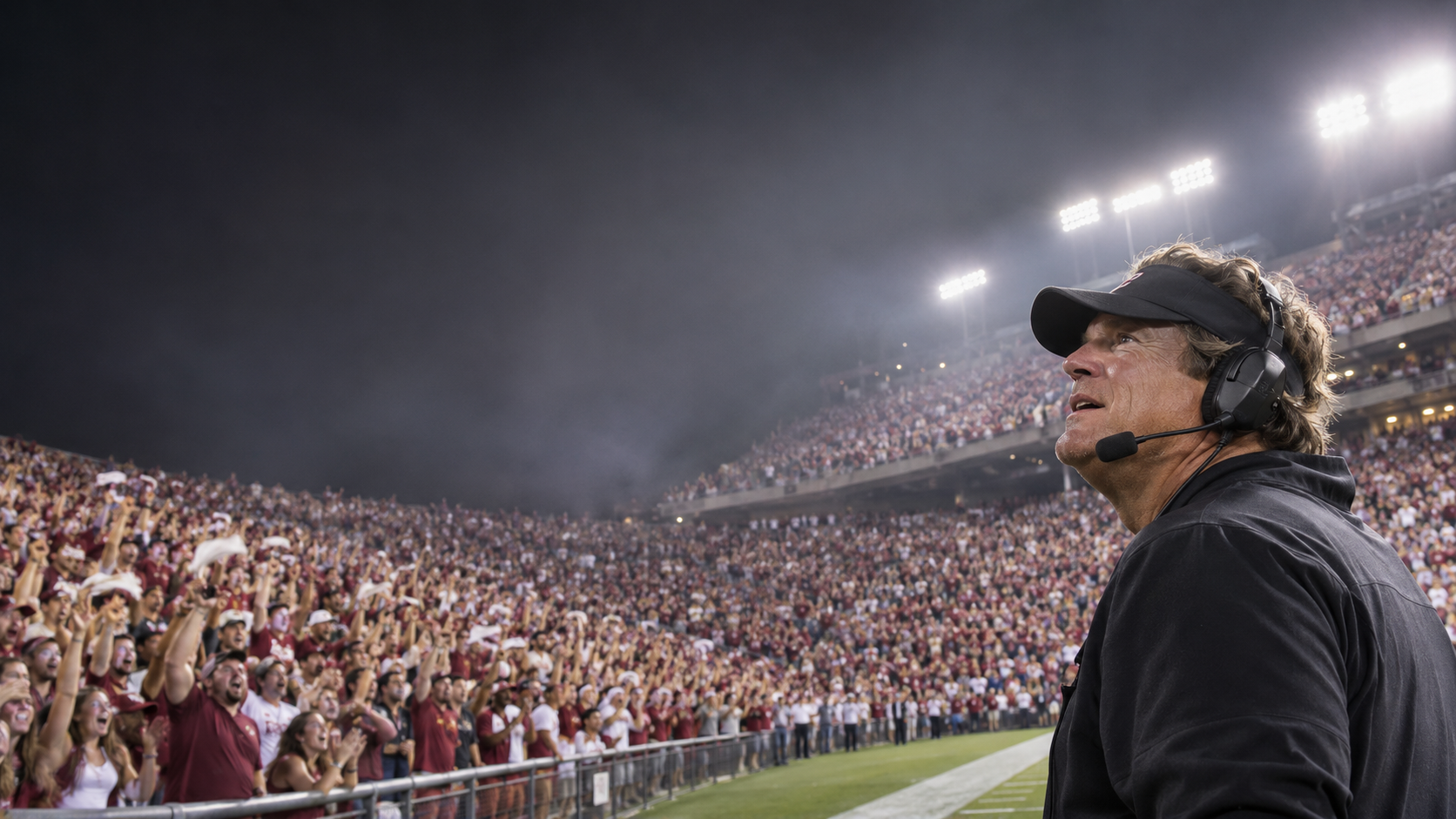 Lane Kiffin Calls Neyland Stadium the Loudest Road Venue
-
 Big Ten Ranking Pressure: Ohio State, Indiana and UCLA
-
 Verstappen Reportedly Criticizes Russell After Las Vegas Win
-
 Kansas City Current Win First NWSL Championship
-
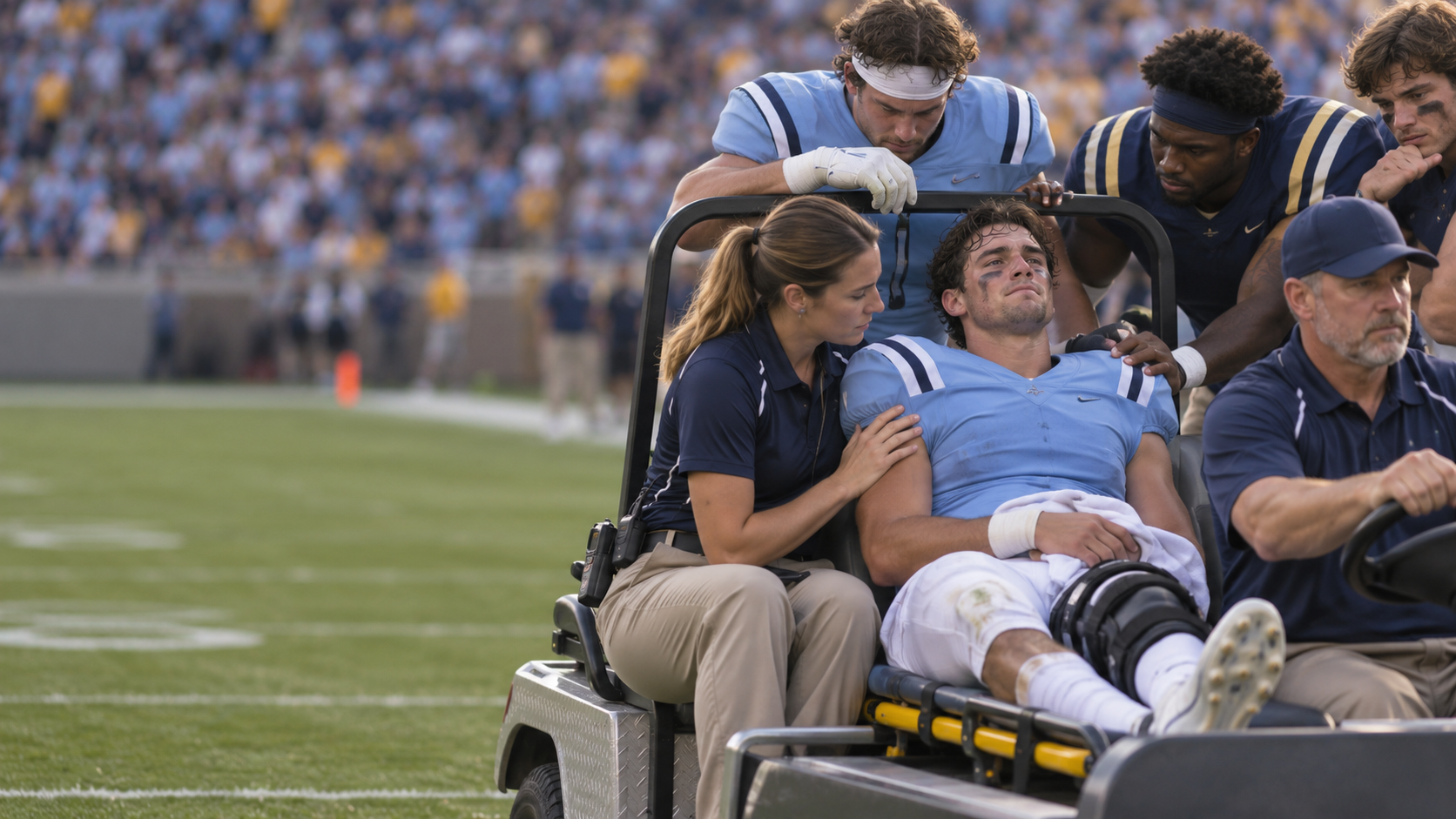 Ty Dieffenbach Carted Off as UCLA Falls to Michigan
-
 Tennessee 27-13 LSU Recap: Vols Boost CFP Case
-
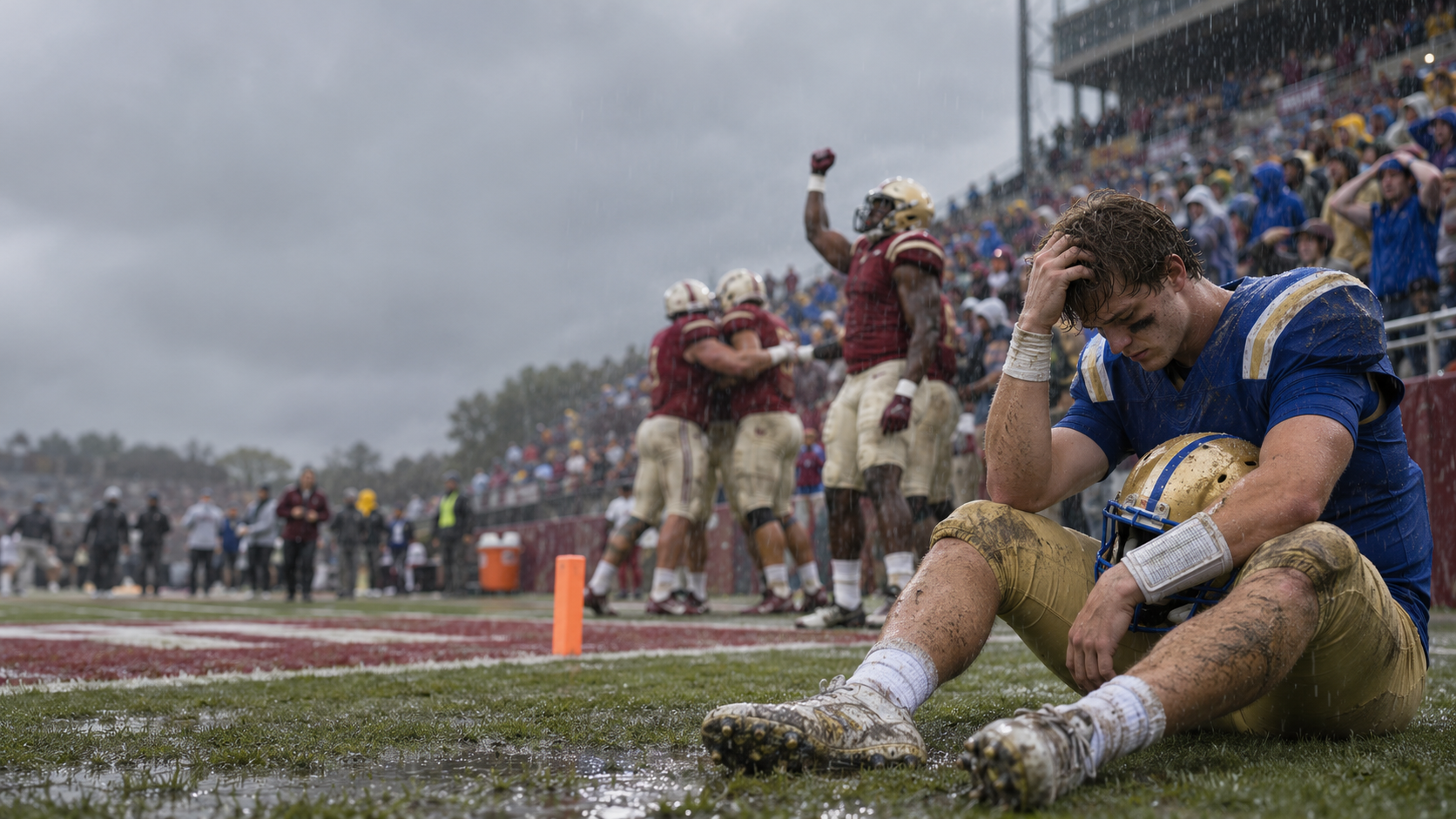 CFP Bubble Shakeup: UCLA, Indiana Stumble in Week 12
-
 Nebraska Ends 31-Game Ranked Opponent Losing Streak
-
 BYU Beats Kansas in Triple OT, Keeps CFP Hopes Alive
-
 UFC Qatar: Stirling Knocks Out Prochazka
-
 Michigan vs. UCLA Overtime Recap: Week 12 Live Updates
-
 CFP Bubble Drama in Week 12: Tight Spreads and Underdogs